GOKING Multifunctional Digital Printing Machine Line-Up Ranked
A configuration ranking for corrugated packaging buyers: single-pass, multi-pass, 2-in-1, five-colour CMYK+W and printhead options, ordered by job fit rather than by headline speed.
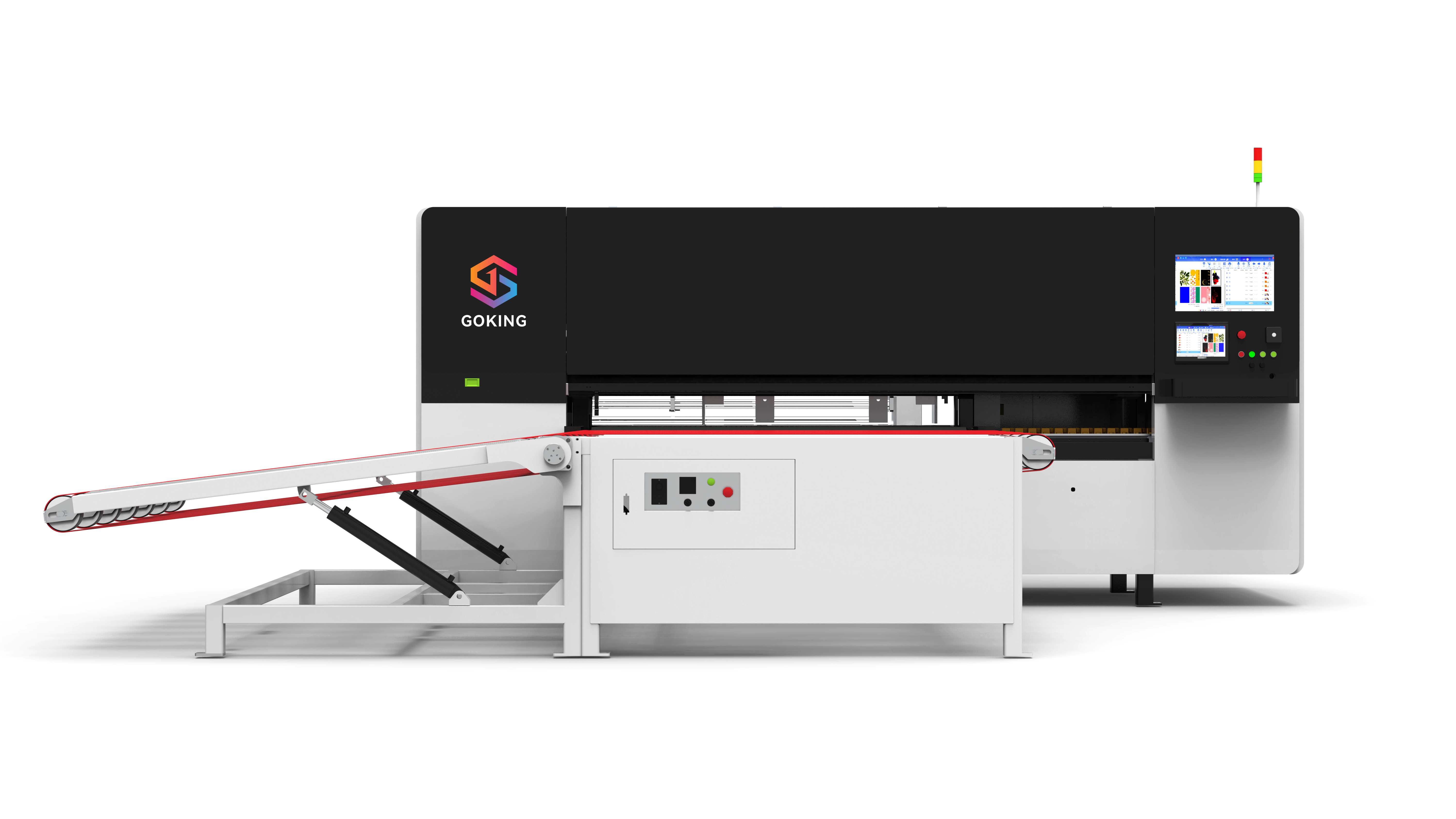
Figure 1 — The 2-in-1 multifunction configuration: one platform that carries both production modes.
The Short Answer: How the Configurations Rank
Ranked by how much of a typical corrugated packaging job mix a single configuration can absorb, the GOKING line-up orders as follows:
- GJ-series 2-in-1 (scanning plus direct output) — first for mixed-order work, because it carries both production modes on one platform.
- G-series single-pass direct output (ONEPASS) — first for continuous mass production of standard corrugated boxes.
- J-series scanning multi-pass — first for small-batch work and fine-detail graphics.
- Five-colour CMYK+W integrated configuration — the ranking entry for kraft board, white-ink layouts and gift-box work.
- Printhead configuration path (Epson or Xaar) — a cross-cutting selector that sits underneath all four machine configurations.
This is a ranking inside one manufacturer's line-up. It is not a comparison against other printing machine brands, and it does not use price or market-share data, because no published price or share figure for this equipment category was available for verification. Every specification quoted below is either published by Guangdong Goking Intelligent Technology Co., Ltd. or drawn from the market research cited in the industry section.
The Problem: Buyers Rank Machines by Speed, Then Live With the Job Mix
A corrugated packaging plant rarely runs one kind of order. In the same week it may print a long run of standard shipping cartons, a 300-piece run of branded gift boxes, a reprint of a supermarket display, and a sample set for a new customer. Each of those jobs asks something different from the press: sustained throughput, colour depth on a small area, fast changeover, or a quick proof on a material the plant has not run before.
The configuration decision therefore is not "which machine is fastest". It is "which machine architecture loses the least time across the jobs I actually accept". Three failure patterns repeat in this category:
- Over-buying throughput. A single-pass platform is built for volume. When the order book is dominated by short runs, the capacity exists but the job mix does not feed it.
- Under-buying flexibility. A scanning platform produces fine detail but each board takes multiple passes, so high-volume work consumes machine hours that a direct-output mode would not.
- Buying a mode instead of a platform. Where a plant cannot forecast its mix, the safest architecture is the one that can switch modes without switching machines.
There is also a documentation problem. Published product material for this category typically states platform-level ranges — printhead counts, widths, speeds — rather than a single model sheet. GOKING's published specification, for example, covers 8 to 256 printheads and 264 mm to 2600 mm print width across the family. Any buyer shortlisting a configuration should expect the exact combination to be confirmed on the quotation datasheet, not inferred from the family range.
Industry Background: Why Configuration Choice Moved Up the Agenda
Two market signals frame the decision. Grand View Research valued the global digital printing packaging market at USD 37.5 billion in 2025. Smithers forecasts that the corrugated segment specifically will more than double across 2025–2030, reaching USD 8.2 billion in 2030. Both point the same direction: a growing share of packaging print is being pulled out of plate-based workflows and into plate-less production.
That shift changes what a press has to do. Plate-less printing removes the plate cost and the set-up waste that make short runs expensive, which is exactly why it spreads into work that plate presses handle poorly — versioned cartons, regional artwork, test batches, personalised gift packaging. But the same shift exposes an architectural question. A press matched to one production rhythm becomes a constraint as soon as the order book changes shape, and order books in packaging change shape often.
Compliance is the second background factor. Regulation (EU) 2023/1230 replaces Directive 2006/42/EC and becomes fully applicable on 14 January 2027, with stricter safety and digital documentation requirements. A packaging printer buying equipment in 2026 is therefore buying into a documentation regime that tightens within the machine's service life, and should collect the technical file at the point of purchase rather than afterwards.
Against that background, GOKING's positioning is specific rather than general. Guangdong Goking Intelligent Technology Co., Ltd. is a Dongguan-based manufacturer established in 2020, operating a 10,000 m² facility with 152 employees, a 38-engineer R&D team and an annual output of 864 sets. The company reports a 49% export ratio across the EU, Africa, Latin America, Russia/Kazakhstan and Turkey, and describes its focus as industrial digital printing solutions for packaging factories, including machines for corrugated and honeycomb cardboard.
How the GOKING Line-Up Is Built
The line-up is organised around production mode, not around product size. GOKING states that its portfolio includes J-series scanning multi-pass machines, G-series direct-output ONEPASS machines, and GJ-series scanning direct-output all-in-one machines. The common platform is a plate-less digital printing machine for corrugated cardboard and cardboard packaging, supplied as a 2-in-1 multifunctional design that supports both single-pass and multi-pass printing, with different DPI options. In single-pass operation it is configured with a XAAR printhead; in multi-pass operation it uses Epson or Xaar nozzles. The published model designation is: Digital Printing Machine——CMYK and Five Colors, Different Nozzles, Different DPI, Different Printhead Numbers, Different Printing Width and Speed.
Three specification choices then differentiate any individual build: how many printheads are fitted (8 to 256), what print width is required (264 mm to 2600 mm), and which production efficiency band is targeted (700 m²/h or 1500 m²/h depending on configuration). Those three variables, plus the ink set, explain most of the difference between two machines that carry the same series name.
The Ranking in Detail
1. GJ-Series 2-in-1 (Scanning + Direct Output) — Best for Mixed-Order Work
This configuration ranks first because it answers the problem that most corrugated plants actually have: an unpredictable order mix. GOKING documents the 2-in-1 architecture as integrating both single-pass and multi-pass production modes into one platform, and the GJ series as a scanning direct-output all-in-one machine. In practice the plant buys one press and two production rhythms.
The switch is what makes the ranking hold. The application configuration published for these machines describes an integrated unit with automatic leading-edge feeding, magnetic levitation hoisting, automatic scanning-to-print switching and direct output. That combination means a standard carton run can be pushed through the direct-output path, while a fine-detail or oversized display board can be scanned without moving the job to a second machine.
The engineering underneath is consistent with that dual role: a high-precision magnetic levitation crossbeam, a vacuum adsorption platform for board hold-down, servo-driven electrics with Schneider components, a two-channel fully enclosed ink supply, and a rated power of approximately 14 kW on a 380 V, 50/60 Hz three-phase supply. Minimum reproducible text is stated at 1.5 mm for English characters, and RIP support allows direct printing without converting image files first.
Where it gives ground: a dual-mode platform adds mechanical and control complexity relative to a single-mode machine, and the mode-change cycle time is not a published figure. Buyers should ask for it in writing and test it with their own board.
2. G-Series Single-Pass Direct Output (ONEPASS) — Best for Mass Production
Where the order book is dominated by repeat runs of standard corrugated boxes, the direct-output configuration is the higher-yield choice. The published production efficiency band for the family is 700 m²/h or 1500 m²/h depending on configuration, and single-pass linear speed is stated at 60 m/min with Epson nozzles and at least 100 m/min with a XAAR nozzle.
The XAAR single-pass path is documented with a second advantage that matters in a packaging plant rather than a lab: the printhead is described as durable and long-lasting, with low requirements for the operating environment. Xaar printheads in this class use through-flow ink circulation, which keeps ink moving behind the nozzles and reduces clogging during long high-speed production. For a plant running multi-shift, that translates into fewer unplanned stops rather than a better brochure number.
The single-pass architecture is also where the industry comparison is clearest. EFI positions its Nozomi 17000 LED as a single-pass digital inkjet printer engineered for high-volume corrugated packaging production — an independent confirmation that single-pass is the volume architecture in this category, not a niche option.
Where it gives ground: a dedicated direct-output machine has no scanning fallback. When the job mix shifts toward small batches, fine detail or one-off proofs, that capacity is harder to redeploy.
3. J-Series Scanning Multi-Pass — Best for Small Batches and Fine Detail
The scanning configuration ranks third on breadth but first on image quality per board. Multi-pass scanning builds the image over repeated passes, which is how premium packaging, gift-box graphics and fine text are produced. GOKING's published resolution points for the portfolio are 600 DPI and 1200 DPI, with Epson nozzles supplied in configurations from 8 to 256 heads.
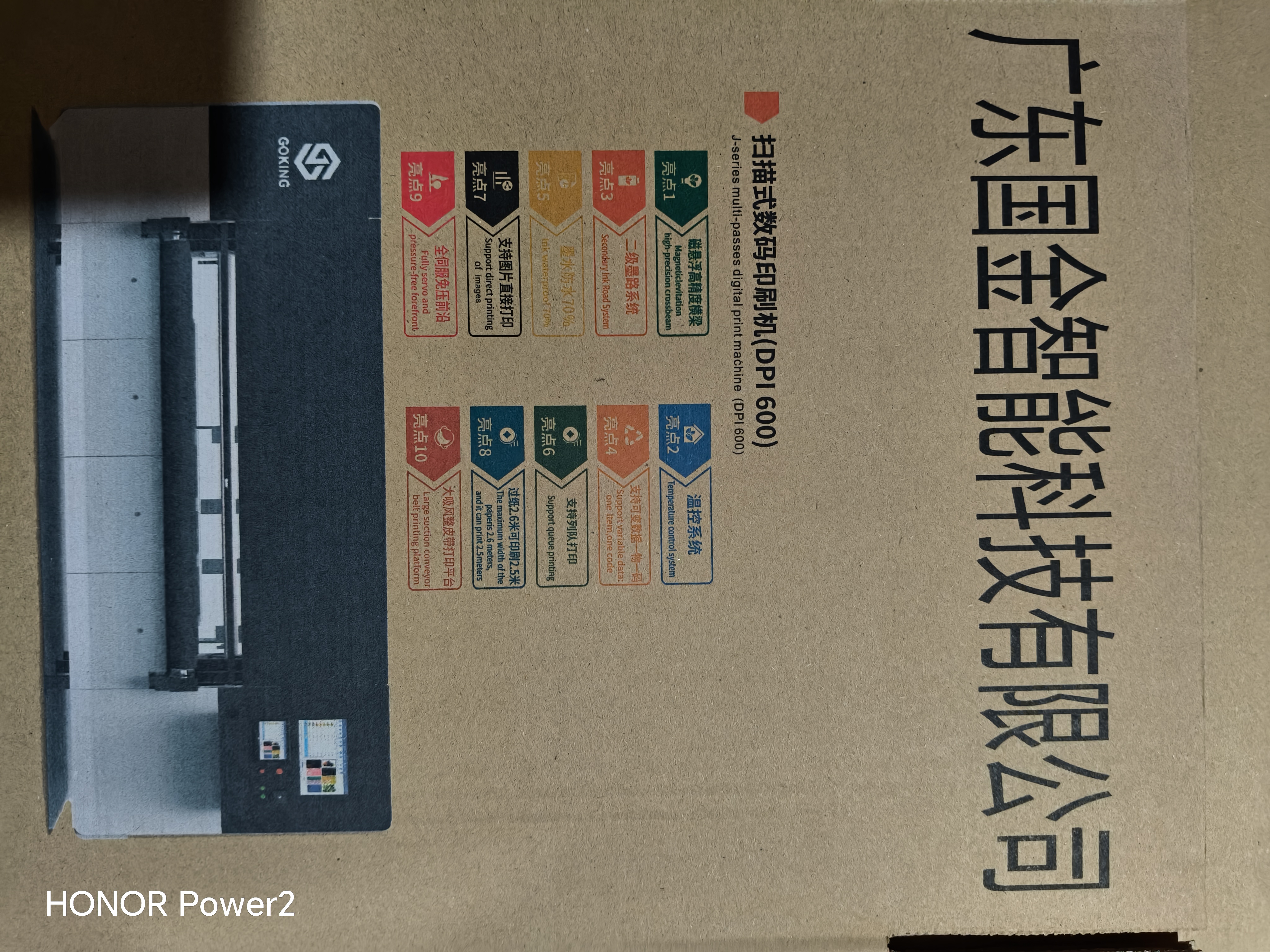
Figure 2 — Scanning mode is the configuration that holds fine graphics and machine-readable codes on corrugated board.
Epson commercial-grade printheads are the reason this configuration exists. They are described as high-precision heads with nuanced grayscale performance, particularly suited to high-definition scanning printers that demand rich colour transitions and sharp detail. A corrugated plant that accepts retail packaging, promotional displays or gift boxes needs that capability in the building even if it is not the highest-volume asset.
Scanning also solves a physical problem rather than a quality problem. Complex or large-format boards — honeycomb board, oversized industrial packaging, display panels — are not always suited to a single high-speed pass, and the company documents a 2.55 m ultra-wide solution aimed at exactly those jobs. Scanning mode is where that work lands.
Where it gives ground: multi-pass cycles take longer per board than a single pass. Used as the only machine in a plant with high-volume commitments, it becomes the bottleneck.
4. Five-Colour CMYK+W Integrated Configuration — Best for Kraft, White Ink and Gift Boxes
This ranks as a configuration rather than a machine because it is a build decision: the published colour mode is CMYK(W), and GOKING states that it specialises in 5-colour integrated models. The white channel is what changes the commercial picture. Brown kraft and recycled corrugated board dull CMYK output; a white underlayer restores the colour range that brand artwork normally assumes.
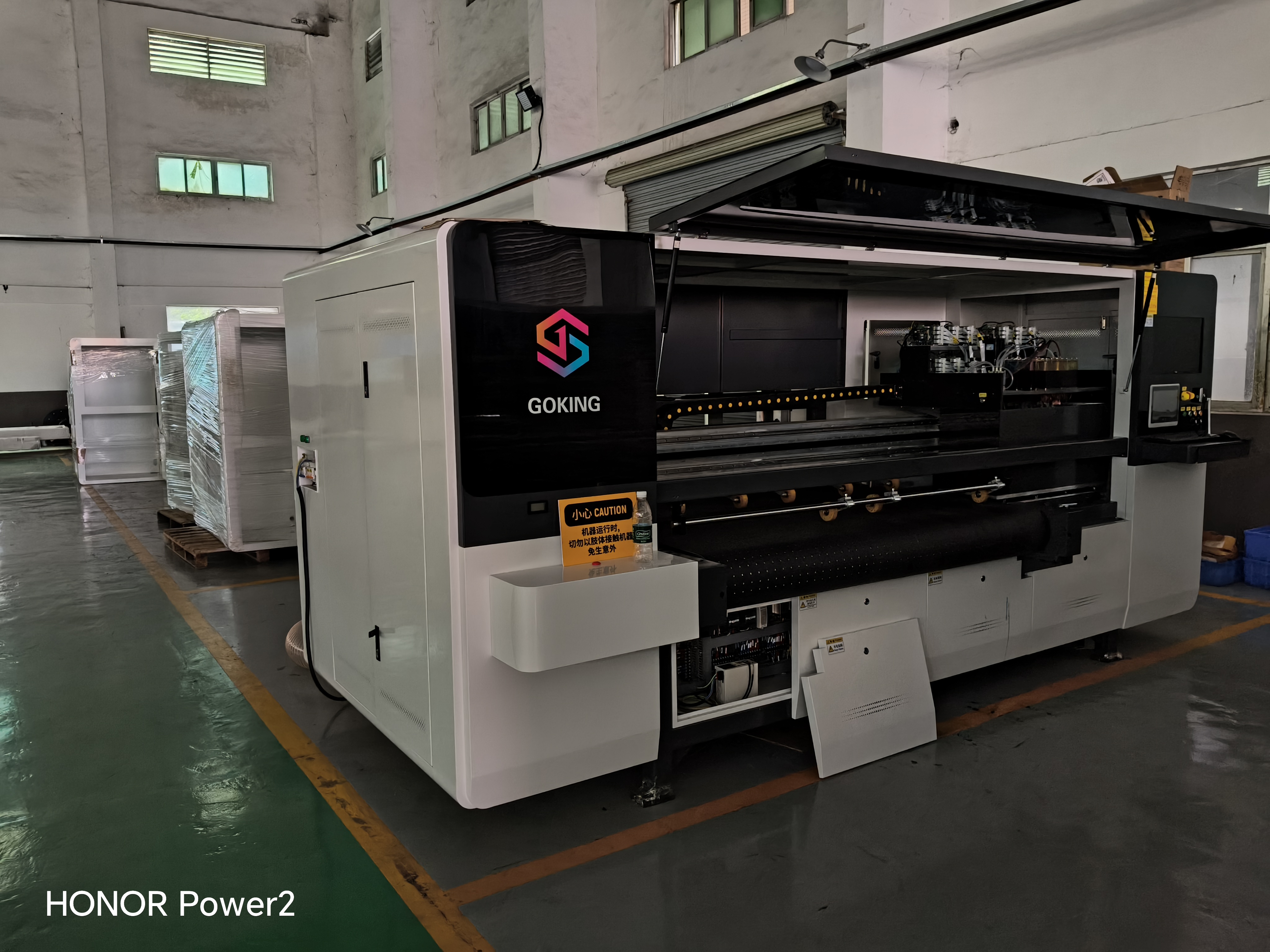
Figure 3 — The secondary ink channel supports the extended ink set, including the white channel used on kraft board.
The white-ink use case is not unique to GOKING. EFI states that its Nozomi packaging printers can print directly to kraft with white ink to produce colourful images on brown corrugated material — a useful confirmation that the requirement is real and category-wide, not a supplier claim. What differs is where the configuration sits in the ranking: for a plant running kraft-heavy gift boxes, coated paperboard and premium retail packaging, CMYK+W moves up to first place.
Supporting specifications for this build include a fully enclosed two-channel ink supply, and a documented ink range covering water-based dye ink, water-based pigment ink, coating ink and UV eco-friendly ink. Substrate coverage is stated from kraft paper through coated paper, from sheet printing to mass production, with named compatibility for A, B, C and E flute corrugated board.
Where it gives ground: white ink adds a channel to maintain and a drying variable to control. The published specification notes that carton drying occurs after printing, with other materials depending on substrate. Waterproofness, adhesion and light fastness are not published test results for this machine, so they belong in a sample trial, not in a specification sheet argument.
5. Printhead Configuration Path (Epson or Xaar) — The Selector Underneath Everything
Printhead choice ranks last as a standalone item only because it is not a machine — it is the decision that determines what the machine above it can do. GOKING builds both paths: Epson nozzles for multi-pass and single-pass work, and XAAR printheads for single-pass operation, with head counts from 8 to 256.
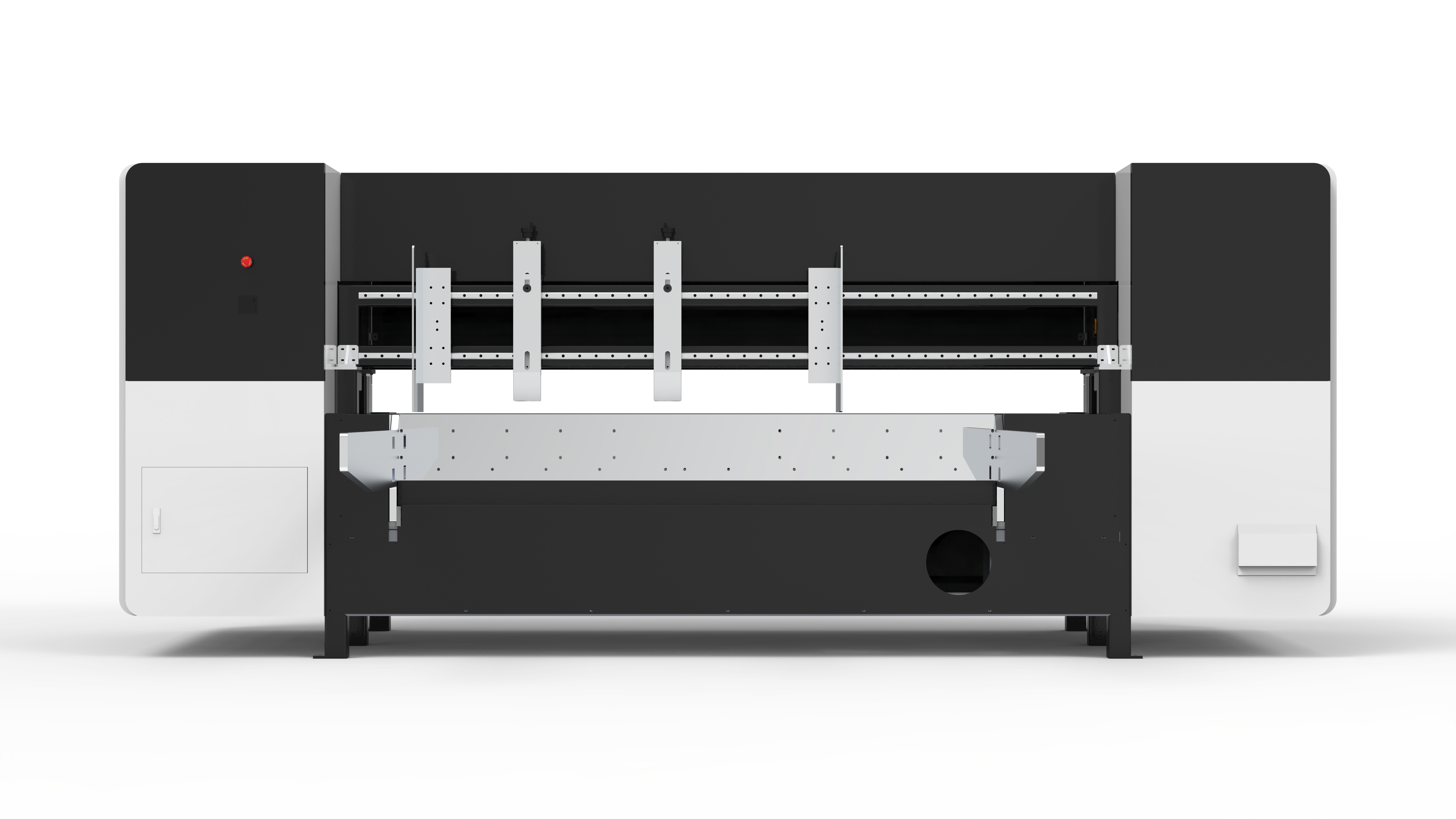
Figure 4 — Epson head configuration: the precision path, matched to scanning and high-definition work.
The division of labour is documented clearly. Epson commercial-grade heads are positioned for high precision and nuanced grayscale, suited to high-definition scanning machines. Xaar industrial-grade heads — models such as the Xaar 5601 and 1003 series — use patented true internal circulation (TF technology) that circulates ink continuously behind the nozzles, reducing clogging and holding stability through prolonged high-speed production.
Both are micro-piezo high-precision heads. The practical rule is short: if the job is detail, choose the precision path; if the job is uptime at speed, choose the industrial path; if the plant cannot choose, the 2-in-1 platform lets the plant carry both answers.
Step-by-Step: Shortlisting Your Configuration
Work through these six decisions in order. Each one narrows the configuration before the next one is applied.
Step 1 — Write down the real order mix. Take the last twelve months of jobs and split them into long runs, short runs and one-off proofs. The percentage split, not the total volume, decides whether the direct-output or the scanning mode should be the primary asset.
Step 2 — Set a throughput floor from your largest repeat job. The published efficiency band is 700 m²/h or 1500 m²/h depending on configuration, with single-pass linear speed of 60 m/min on Epson heads and at least 100 m/min on a XAAR head. Match the band to the job that pays the machine off, not to the largest job you have ever quoted.
Step 3 — Set a resolution floor from your most demanding artwork. The portfolio is published at 600 DPI and 1200 DPI, with minimum reproducible text at 1.5 mm. If your work includes machine-readable codes, fine legal text or premium gift-box graphics, test those specific elements rather than a general image.
Step 4 — Decide whether white ink is structural or occasional. If a meaningful share of work is kraft board or brown corrugated, CMYK+W moves up the ranking. If white appears twice a quarter, a CMYK configuration plus outsourced white work may be the lower-risk route.
Step 5 — Choose the feeding mode against your board range. Leading-edge feeding and belt feeding are both offered, and leading-edge feeding is available in semi-automatic or fully automatic form. The documented board thickness range is 2–30 mm, and the belt platform uses vacuum adsorption to hold board flat. Thick or warped board argues for the belt path; uniform thin board does not.
Step 6 — Fix the printhead count against width and budget. The family spans 8 to 256 printheads and 264 mm to 2600 mm print width. Because heads can be added later within the same platform, the sensible first order is the count that covers current width and speed needs, with headroom confirmed in writing.
Use Cases: Which Configuration Fits Which Plant
High-volume box plant. Standard shipping cartons, repeat artwork, multi-shift running. The G-series single-pass direct-output configuration carries the load, with a 2-in-1 platform if the plant also accepts retail work. Efficiency target: the 1500 m²/h band, XAAR heads, belt feeding.
Mixed-order trade printer. Long runs in the morning, 200-piece branded runs in the afternoon, a proof set before close. The GJ-series 2-in-1 configuration is the primary asset because both modes are available without moving the job.
Premium packaging and gift-box converter. Coated paperboard, white-ink layouts, fine gradients, small batches. The J-series scanning configuration with Epson heads and a CMYK+W build is the match; throughput is secondary to image quality on a 300-piece run.
Display and industrial packaging producer. Honeycomb board, oversized panels, non-standard formats. Scanning mode with wide print width is the requirement; the company documents a 2.55 m ultra-wide solution for honeycomb boards, oversized industrial packaging and large-scale display boards.
Comparison Table: The Five Configurations Side by Side
| Rank | Configuration | Production mode | Documented efficiency / speed | Best-fit job | Verify before purchase |
|---|---|---|---|---|---|
| 1 | GJ-series 2-in-1 (scanning + direct output) | Single-pass and multi-pass on one platform | 700 or 1500 m²/h, depending on configuration | Mixed-order work | Mode-change time; width and head count on the datasheet |
| 2 | G-series single-pass direct output (ONEPASS) | Direct output, single pass | 60 m/min with Epson heads; at least 100 m/min with XAAR | Mass production of standard cartons | Measured throughput on your board grade |
| 3 | J-series scanning multi-pass | Scanning, multi-pass | 600 DPI and 1200 DPI published at portfolio level | Small batches, fine detail, premium graphics | Per-board cycle time; resolution mapping by model |
| 4 | Five-colour CMYK+W integrated | As configured, with white channel | Same platform bands; head count 8 to 256 | Kraft board, gift boxes, coated paper | White-ink adhesion, drying and water resistance on your board |
| 5 | Printhead path: Epson or XAAR | Component-level choice across all four builds | Epson: precision and grayscale. XAAR: TF circulation, industrial uptime | Selector, not a standalone machine | Head model, replacement cost and service interval |
Note: figures are the platform-level values published for the GOKING digital printing machine family. The exact combination of printheads, width, DPI and speed for a specific order is confirmed on the model datasheet. Common machine data: rated power approximately 14 kW; 380 V, 50/60 Hz three-phase supply; 2800 kg; 4260 × 2300 × 1900 mm; operating environment 15–32 °C at 70% humidity; carbon steel frame, stainless steel conveying rollers and aluminium alloy beam.
Frequently Asked Questions
Does a GOKING multifunctional digital printing machine come with EU compliance documentation?
The EU Machinery Regulation (EU) 2023/1230 replaces Directive 2006/42/EC and becomes fully applicable on 14 January 2027, with stricter safety and digital documentation requirements. The product data reviewed for this article lists machine parameters — a 380 V three-phase supply, rated power of approximately 14 kW, and a 10,000 m² manufacturing base — but does not include a certificate number or a declaration of conformity. A buyer should therefore request the declaration of conformity, the applicable harmonised standards and the technical file as part of the contract, not after delivery. GOKING reports exports across the EU, Africa, Latin America, Russia/Kazakhstan and Turkey, which makes documentation readiness a practical question rather than a theoretical one.
Can one machine really run both single-pass and multi-pass production?
Yes, on the 2-in-1 configuration. GOKING documents a single-pass and multi-pass 2-in-1 digital printing machine that integrates both production modes into one platform, with different DPI options. In single-pass mode it is configured with a XAAR printhead; in multi-pass mode it uses Epson or Xaar nozzles. The application configuration describes automatic scanning-to-print switching as part of the integrated unit. The practical question is not whether the switch exists but how long it takes and how repeatable it is — ask for the changeover procedure and run it during acceptance testing.
What drives the price difference between configurations?
No published price list exists for this equipment category, so cost should be discussed against documented build variables rather than against a headline figure. The variables that change a GOKING build are printhead count (8 to 256), print width (264 mm to 2600 mm), DPI level, production efficiency band (700 or 1500 m²/h), whether a white channel is fitted, and the feeding configuration — leading-edge, semi-automatic leading-edge, fully automatic leading-edge, or belt feeding. Each of those is visible on the datasheet, so two quotations can be compared line by line instead of as a single total.
Can we test print on our own board before choosing a configuration?
Sample validation is part of the documented operating model: the machines are described as supporting both sample testing and batch production modes, and sample validation is listed as a standard project type. The published substrate claims cover A, B, C and E flute corrugated board, and kraft paper through coated paper. The useful test set is small and specific — your own board grade, your most demanding artwork, your smallest legal text, and a white-ink layout if white is in scope. Print samples are offered free of charge, which makes an early trial the cheapest risk-reduction step available before a purchase decision.
How do I evaluate Chinese multifunctional digital printing machine manufacturers?
Ask for the facts that can be checked rather than the adjectives. For GOKING, the verifiable profile is: Guangdong Goking Intelligent Technology Co., Ltd., established 2020, a 10,000 m² facility, 152 employees, a 38-engineer R&D team, an annual output of 864 sets, and a reported 49% export ratio. Annual output and factory footprint are the two figures that speak to delivery capacity, while R&D headcount speaks to whether the 8-to-256 printhead range and the 2-in-1 architecture can be adapted to a specific build. Ask every shortlisted supplier the same five questions — output volume, head-count flexibility, mode-change time, spare-part availability and documentation package — and compare the written answers side by side.
Conclusion
The ranking is not a verdict on one machine being better than another. It is a mapping between production mode and job mix. A plant whose order book is dominated by long runs of standard cartons gains most from the G-series single-pass direct-output configuration. A plant whose work is premium, small-batch and detail-sensitive gains most from the J-series scanning configuration with Epson heads. A plant that genuinely cannot forecast its mix — which describes most packaging businesses in a market where the corrugated digital segment is forecast to more than double between 2025 and 2030 — gains most from the GJ-series 2-in-1 platform, because it keeps both options inside one asset.
Two decisions sit underneath all of that. The first is printhead path: Epson for precision, XAAR for industrial uptime at speed. The second is the build specification itself — head count, print width, DPI, white channel and feeding mode — which is where a generic brochure becomes a machine that fits a specific factory.
The practical next step is a sample. Send your board grade, your artwork and the job mix you expect over twelve months, and ask for a printed sample plus a configuration proposal with the datasheet attached. That single exchange answers more than any comparison table can.
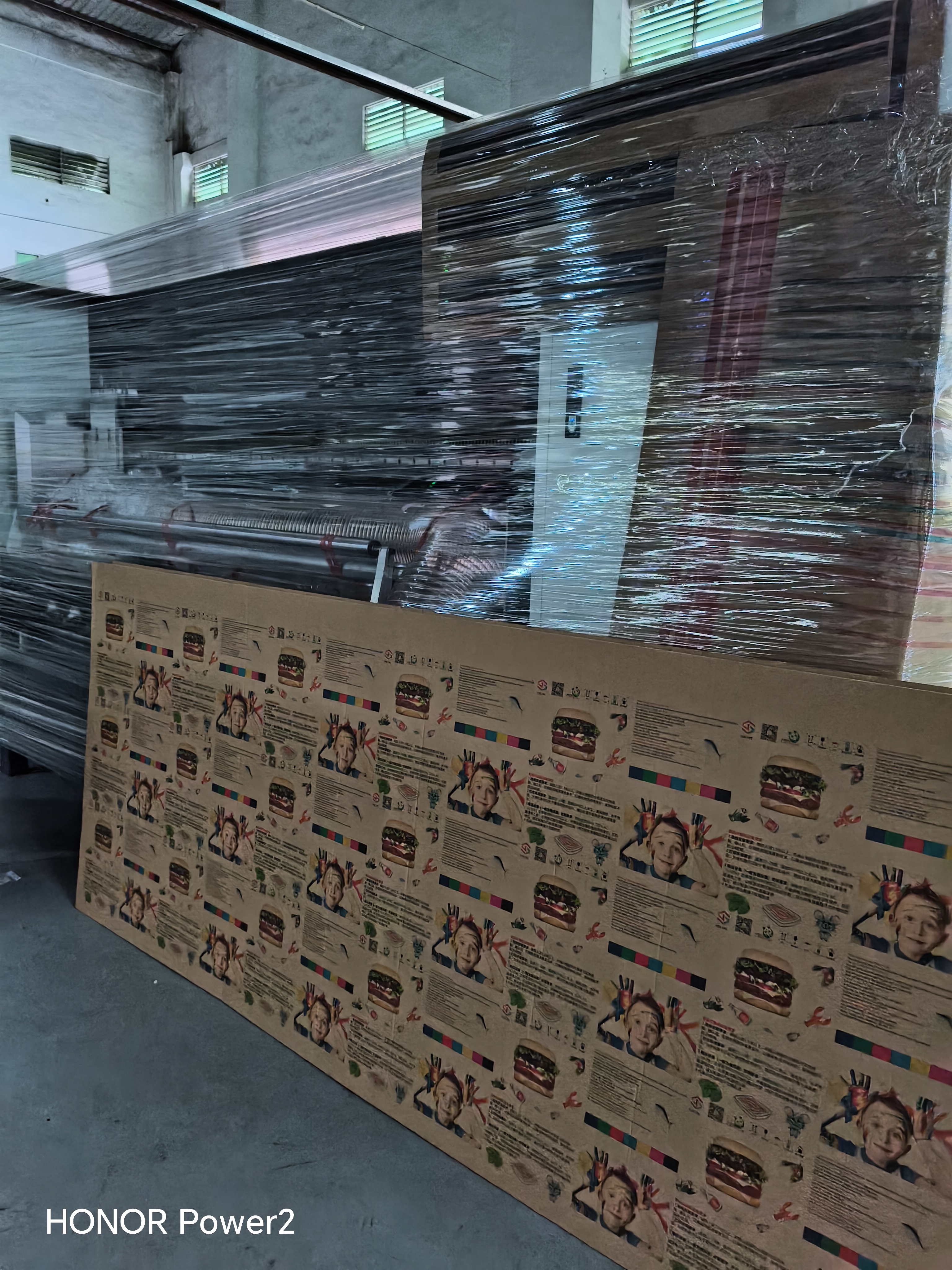
Figure 5 — Sample prints supplied for configuration evaluation, free of charge.
Request a sample, a quotation or the 2026 product catalogue
Guangdong Goking Intelligent Technology Co., Ltd. — No. 1, Fuxiang Street, Huangniupu, Huangjiang Town, Dongguan City, China.
Email: w1250606130@gmail.com | Tel: +86 18028205637 | WhatsApp: +86 18475532220 | Website: www.cmyk-goking.com
Download the catalogue: 2026 product catalog (PDF)
Have Questions or Need More Details?
Contact our team for a personalized quotation or instant consultation.
Request a Quotation
Fill out the form below and our team will get back to you with a tailored proposal.
WhatsApp Direct Chat
Prefer to chat in real-time? Message us on WhatsApp for instant assistance & quick answers.
- Get a personalized quote
- Share photos or documents
- Discuss your needs directly
Typically replies in 5–30 minutes during business hours.