Digital Printing Machine Showdown: GOKING 2-in-1 vs. Single-Pass Only Systems
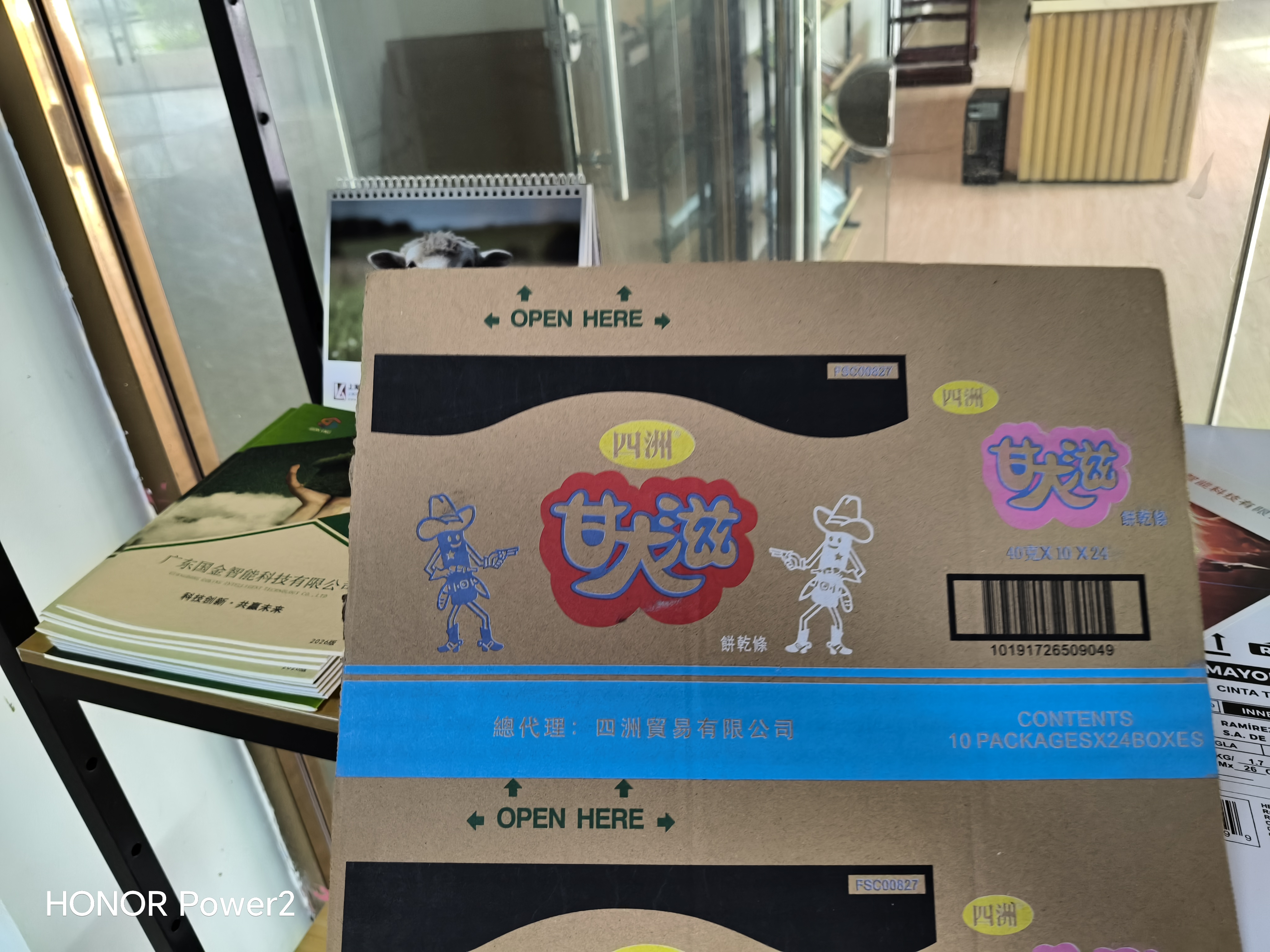
Side-by-side print output used to benchmark a multifunctional digital printing machine against competing systems.
Shortlisting a multifunctional digital printing machine for corrugated packaging usually comes down to one fork in the road. Do you buy a flexible platform that can run two production modes, or a machine purpose-built for exactly one? The GOKING 2-in-1 sits on the first road: single-pass direct output and scanning multi-pass printing living inside the same frame. A single-pass only system sits on the second.
This is a head-to-head decision guide, not a spec sheet. The question it actually answers is which architecture holds up across years of mixed orders, and what each route gives up in exchange for what it gains.
Problem Definition: Why the Speed Number Cannot Make This Decision for You
Most procurement conversations start with square metres per hour. That number is real, but on its own it does not decide anything, because the economics of a corrugated print line are governed by order structure rather than peak output.
Consider two realistic factories. The first runs roughly 400 different SKUs a year, each in runs of a few hundred sheets, with frequent artwork changes driven by retail promotions. The second prints a handful of stock carton designs in very long, repeating runs. A dedicated single-pass machine tuned purely for raw speed makes the second factory happy. The first factory will spend its year waiting on setup, queuing short jobs behind long ones, and losing the very jobs that carry the best margin.
Reverse the scenario and flexibility without volume discipline becomes equally wasteful: running a scanning mode day after day on one repeating carton pattern leaves capacity on the table. The decision, therefore, is not "which machine is faster." It is "which architecture matches my order mix, and what does that match cost me?"
Industry Background: Why This Comparison Is Happening Now
Digital production printing is no longer a niche allowance inside a packaging plant. Grand View Research valued the global digital printing market at USD 38.0 billion in 2023 and projects USD 57.0 billion by 2030, with the inkjet segment already holding the largest technology share at 48.4% in 2023. Within that, Reports and Data sized the single-pass digital printing machine market at USD 3.2 billion in 2024, projected to reach USD 6.5 billion by 2034.
Packaging is where the growth concentrates. MarketsandMarkets expects the digital printing packaging market to move from USD 30.2 billion in 2024 to USD 46.2 billion by 2029, while Market Research Future places Asia-Pacific at approximately 41.6% of global digital printing revenue share in 2025. On the industrial single-pass side, the EFI Nozomi C18000 is one of the machines most frequently referenced as a benchmark for corrugated packaging.
The change buyers feel on the factory floor is narrower and more practical. Market research points to variable data printing making runs under 3,000 units economically viable in 2024, where previously they were cost-prohibitive. That single shift is what forces the 2-in-1 versus single-pass-only question into the open: short runs, many SKUs, and frequent changeovers reward a platform that can change behaviour, not just a platform that can go fast.
Two external pressures sit alongside the throughput question. CE marking for industrial machinery in the EU runs through a risk assessment under EN ISO 12100, with electrical equipment governed by IEC 60204-1. Separately, the U.S. EPA declared certain PFAS chemistries used in UV inks hazardous in April 2024, which is reshaping ink formulation strategy across the industry. Machine architecture and ink strategy are now two halves of the same purchasing conversation.
Detailed Solution: What the GOKING 2-in-1 Actually Is
Guangdong Goking Intelligent Technology Co., Ltd. (GOKING) is a Dongguan-based manufacturer of industrial digital printing equipment for corrugated and honeycomb cardboard. Founded in 2020, the company operates a 10,000 m² manufacturing facility with 152 employees, an annual output of 864 sets, and a 38-engineer R&D team. Exports account for 49% of business, with main markets in the EU, Africa, Latin America, Russia, Kazakhstan and Turkey.
Its core product line is a single-pass and multi-pass 2-in-1 digital printing machine, offered in 5-colour integrated models with multiple DPI configurations and different nozzle options. The portfolio is organised as J-series scanning multi-pass machines, G-series direct-output one-pass machines, and GJ-series units that combine both behaviours.
The architectural idea is straightforward: instead of committing a capital asset to one production behaviour, the 2-in-1 lets the same machine operate in two throughput bands, quoted at 700 or 1500 m²/h depending on mode and configuration. The machine uses a micro-piezo printhead architecture and offers separate ink channel options, so ink sets can be managed independently rather than forced through a single shared path.
On the printhead side, GOKING equipment supports both Epson nozzles across an 8–256 nozzle range and industrial-grade printheads, with resolution reaching up to 1200 DPI. That range matters because it is the same lever the industry uses to explain the classic trade-off: multi-pass printheads deliver higher clarity, up to 1200 DPI, while running slower in production than single-pass systems.
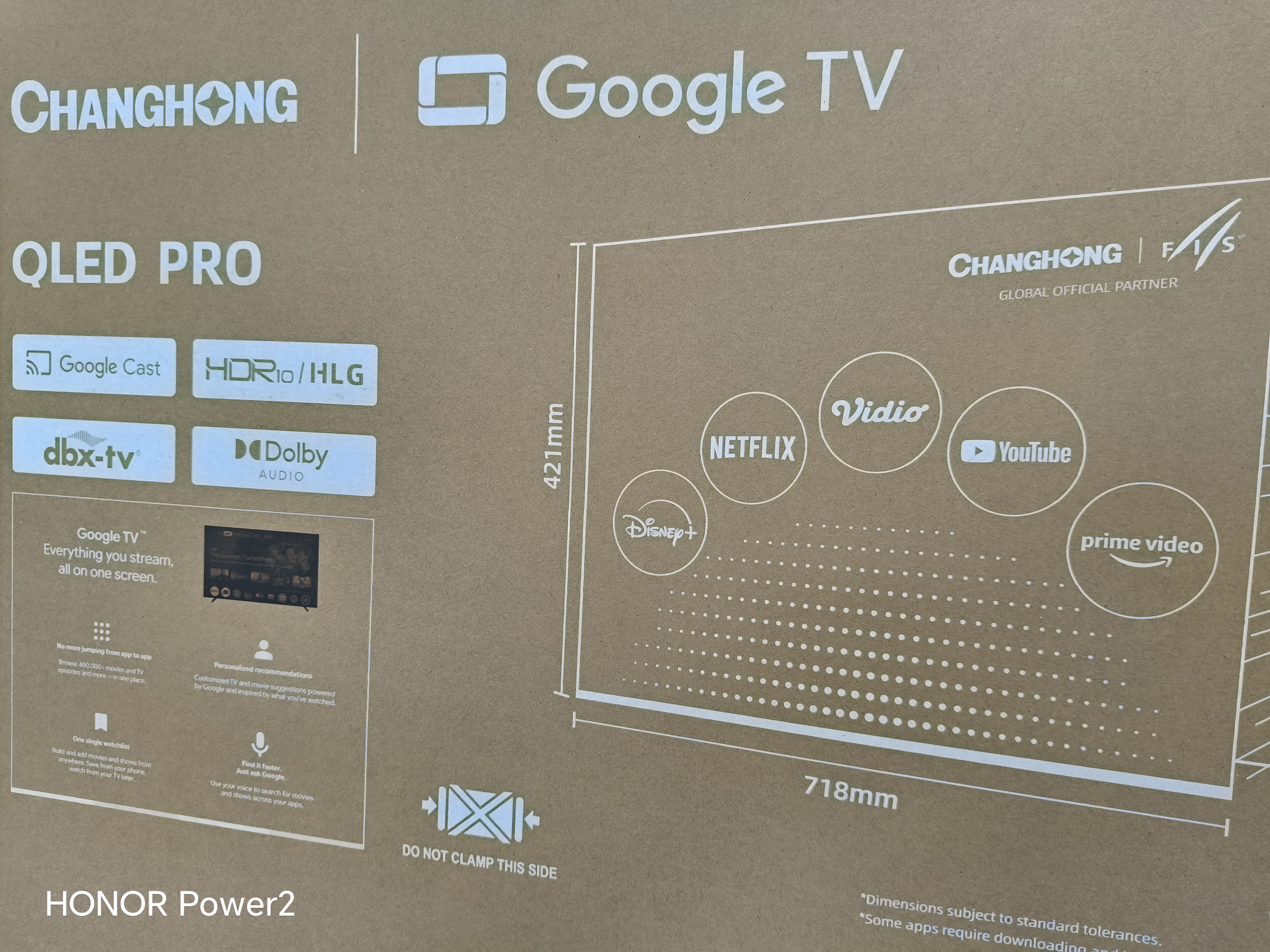
White ink output produced on GOKING equipment — a configuration relevant to coated and dark-board carton work.
The Real Trade-Off: Two Modes Versus One Optimised Mode
A 2-in-1 platform does not beat a dedicated single-pass machine at the single-pass machine's own game, and it is not designed to. What it does is remove the requirement to choose that game permanently.
Where the flexibility pays: short-run printing, multi-SKU production, customised packaging, on-demand printing and rapid prototyping. Where it costs: a dual-mode platform carries two operating behaviours, so a buyer whose entire output is one long repeating carton design is paying for capability they will rarely switch on.
The mechanical difference underneath all of this is plate elimination. The core divergence between GOKING digital printing machines and traditional plate-based printing machines is that the digital route removes plate making entirely, uses inkjet printing, and supports variable data and digital colour calibration. In measured terms, GOKING reports prepress time reduced by over 75% and job switching time reduced by 80% compared with traditional plate printing machines.
That is the honest framing of the showdown: the 2-in-1 wins on order-mix adaptability and changeover economics. A single-pass only machine wins when the order book is genuinely narrow and deep.
Comparison Table: GOKING 2-in-1 vs. Single-Pass Only Systems
| Decision Dimension | GOKING 2-in-1 (Single-Pass + Multi-Pass) | Single-Pass Only System | Why It Matters to a Buyer |
|---|---|---|---|
| Operating modes | Scanning multi-pass and direct-output single-pass in one unit (J-series, G-series, GJ-series) | Single-pass only | Determines whether one machine can serve two different order behaviours |
| Throughput bands | Quoted at 700 or 1500 m²/h depending on mode and configuration | Focused on one high-speed band | Lets production be dialled to job type instead of running every job at one setting |
| Resolution ceiling | Up to 1200 DPI depending on head configuration | Architecture prioritises throughput | Fine text, barcodes and detailed graphics need resolution, not just speed |
| Printhead options | Micro-piezo architecture; Epson nozzles 8–256 and industrial-grade printheads supported | Usually a dedicated industrial head set | Affects quality bands, spare-part strategy and long-term serviceability |
| Ink configuration | Separate ink channel options | Typically a fixed ink path | Independent channels support white ink and specialty ink strategies without cross-contamination risk in planning |
| Plate making | Eliminated — inkjet, variable data, digital colour calibration | Eliminated | Both remove the plate; the differentiator is changeover, not plate cost |
| Changeover economics | Prepress time reduced over 75%, job switching time reduced 80% vs. traditional plate printing machines | Fast within a fixed, narrow job pattern | Changeover, not output speed, usually decides short-run profitability |
| Minimum economic run | Cost-effective from 1 copy | Economical on long, repeating runs | Decides whether small-batch and POD orders can be accepted at all |
| Machine wash-up | Not required; simple operation; printable over creases; ERP integration | Varies by platform | Wash-up time is hidden labour cost on every changeover |
| Maintenance profile | Software-controlled operation, printhead maintenance, regular calibration, less plate management | Printhead and mechanical maintenance | Defines the skill level required from operators and the spares plan |
| Best-fit order profile | Short runs, multi-SKU, customised packaging, on-demand printing, rapid prototyping | Long-run, low-SKU, high-repeat volume | This single line usually settles the decision |
| Compliance path | CE route through EN ISO 12100 risk assessment and IEC 60204-1 electrical requirements | Same regulatory framework applies | Non-negotiable for EU-bound equipment |
| Industry reference | GOKING 2-in-1 platform | EFI Nozomi C18000 is a commonly cited industrial single-pass benchmark | Both architectures have credible reference points in corrugated packaging |
Step-by-Step Breakdown: How to Run This Comparison on Your Own Numbers
Step 1 — Profile your order book before you look at any machine
Pull twelve months of jobs. Count SKUs, average run length, and how many changeovers happen per week. If changeovers outnumber long runs, dual-mode capability is doing real work for you. If you run five designs all year, it is not.
Step 2 — Decide which mode you will actually live in
A 2-in-1 gives you the option of 700 or 1500 m²/h bands. Be honest about which band will carry most of your volume, and treat the other band as insurance rather than the reason to buy.
Step 3 — Set your resolution floor from the artwork, not the brochure
Fine print, small barcodes and detailed brand graphics set the DPI requirement. GOKING equipment reaches up to 1200 DPI, with Epson nozzles available from 8 to 256 per head configuration. Match the head configuration to the artwork you actually receive.
Step 4 — Lock the ink and channel strategy
Separate ink channel options change what is practical: white ink work, specialty effects and coated or dark board jobs can be planned without compromising the standard CMYK+W set. Water-based pigment ink continues to hold a significant share of the eco-friendly digital printing market, and PFAS restrictions on certain UV chemistries make ink selection a compliance question as much as a colour question.
Step 5 — Re-run the short-run cost model
Traditional plate-based devices are only economical beyond roughly 3,000 copies. GOKING digital machines support cost-effective production from a single copy upward, with lower plate costs, reduced setup waste and lower short-run production costs. If more than a fifth of your order book sits under 3,000 units, that maths changes the ranking of options quickly.
Step 6 — Verify how the machine is proven before shipment
GOKING applies 100% aging tests and pre-shipment inspections as core quality assurance, with long-time running inspections addressing manufacturing risk, standardized inspection processes for compliance risk, secure packaging for transport, and on-site commissioning support at installation. Ask any supplier to map their process against the same list.
Step 7 — Validate on your own board
Request printed samples on your corrugated grades, including coated paper and kraft where relevant, and inspect coverage over creases. The machine decision should survive contact with your own material.
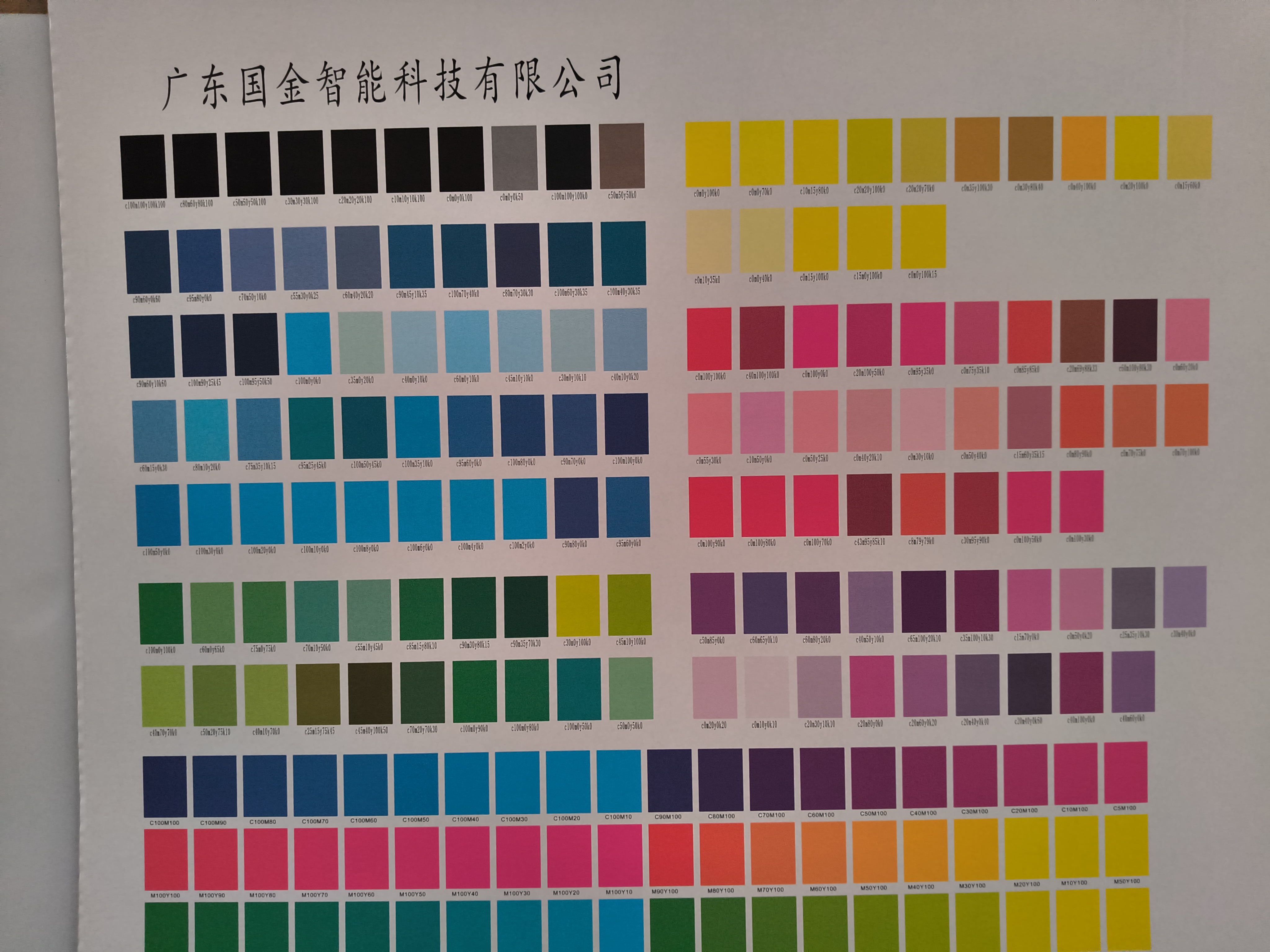
Colour mixing analysis used during digital colour calibration on GOKING printing equipment.
Use Cases: Where Each Architecture Earns Its Place
Custom gift boxes and premium retail packaging
Gift box work is typically short-run, artwork-heavy and deadline-driven. A 2-in-1 handles this in scanning mode at up to 1200 DPI, then switches when a longer repeat order arrives. This is one of the clearest fits for dual-mode capability.
Export corrugated packaging with a wide SKU mix
Export-facing carton producers often carry dozens of live designs for different markets, each with different markings and languages. Variable data support and plate-free production remove the plate-making queue from every artwork revision.
Sample and rapid prototyping departments
Prepress time reduced by over 75% and job switching reduced by 80% means prototype rounds stop being scheduled around plate availability. Proofs and pilot cartons can go out on the same shift as the artwork decision.
Mixed-model plants running both short and long work
A GJ-series or comparable 2-in-1 configuration is designed for plants that cannot afford to specialise. One platform covers the short tail without losing the ability to run sustained volume.
Where a single-pass only machine still wins
If a plant's output is genuinely narrow and deep — few designs, very long runs, minimal artwork churn — a dedicated single-pass platform aligns better with that reality. That is a legitimate outcome of this comparison, not a failure of the 2-in-1 concept.
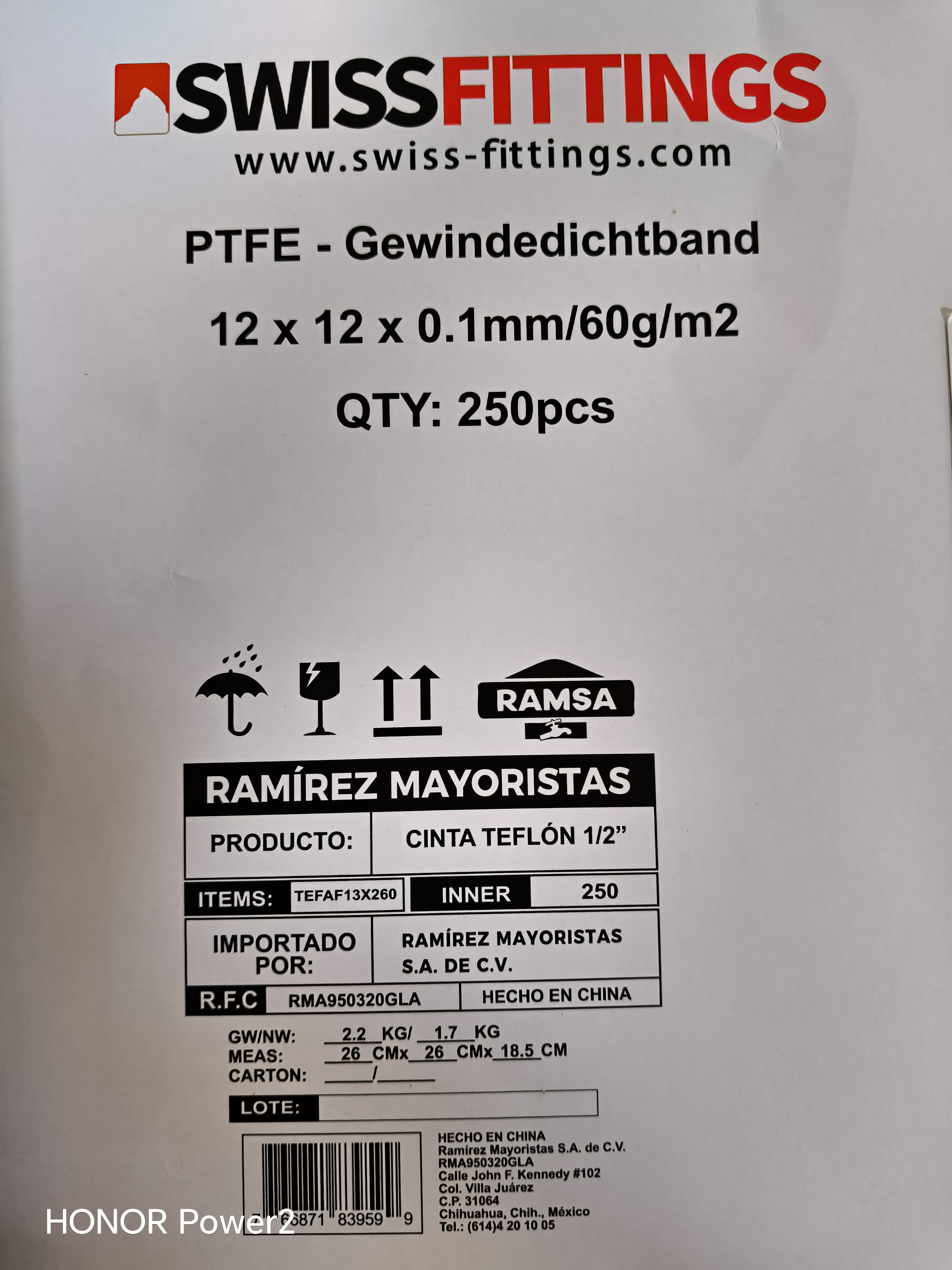
High-definition lettering output, relevant to small text and barcode legibility checks.
FAQ
What compliance requirements apply to a digital printing machine exported to the EU?
Industrial machinery sold into the EU must satisfy the CE marking route, which includes a risk assessment conducted under EN ISO 12100 and electrical equipment designed to IEC 60204-1 (EN 60204-1). These are baseline requirements rather than optional extras, and they should be confirmed at the specification stage, before the purchase order. On the consumables side, the U.S. EPA declared certain PFAS chemistries used in UV inks hazardous in April 2024, so ink formulation is worth reviewing alongside the machine itself.
Can a 2-in-1 machine match the daily output of a single-pass only system?
It depends entirely on order structure. The GOKING 2-in-1 offers 700 or 1500 m²/h operating bands, so throughput can be aligned to job type rather than fixed at one setting. A dedicated single-pass system is built around one high-speed behaviour. For long, uninterrupted runs of one design, a dedicated platform is the natural fit. For mixed order books, the 2-in-1 prevents short jobs from queueing behind long ones. The correct answer comes from your own twelve-month production data, not from a datasheet.
What drive the cost difference between short-run and long-run digital printing?
Changeover, not ink. Compared with traditional plate printing machines, GOKING digital printers reduce prepress time by more than 75% and job switching time by 80%, eliminate plate making, cut setup waste, and enable cost-effective output from a single copy upward. Traditional plate-based devices only become economical beyond roughly 3,000 copies. That is why short-run, multi-SKU, customised packaging, on-demand printing and rapid prototyping all sit in the digital column.
What resolution can be reached, and which printheads support it?
GOKING equipment supports resolution up to 1200 DPI, using a micro-piezo printhead architecture with Epson nozzles available across an 8–256 nozzle range alongside industrial-grade printhead options. The widely accepted trade-off in the industry is that multi-pass printing delivers higher clarity, up to 1200 DPI, while running slower in production than single-pass systems — which is precisely the compromise a dual-mode platform is built to manage.
Which multifunctional digital printing machine manufacturer is better for waterproof carton printing?
Waterproof carton performance depends on the ink system and substrate combination as much as on the machine. Water-based pigment ink holds a significant share of the eco-friendly digital printing segment, and separate ink channel options — including white ink configurations — change what can be achieved on coated and dark-board cartons. GOKING is a Dongguan-based manufacturer producing 2-in-1 single-pass and multi-pass digital printing machines, with CE-oriented equipment built under EN ISO 12100 and IEC 60204-1 frameworks, backed by 100% aging tests and pre-shipment inspections. Rather than comparing manufacturers on paper, request printed samples on your own board grades and judge coverage directly. You can review the full machine range and request a quote or sample through www.cmyk-goking.com.
Conclusion: Let the Order Book Decide, Not the Brochure
The GOKING 2-in-1 and a dedicated single-pass only system are both defensible answers — to different questions. If your plant lives on short runs, wide SKU mixes, customised gift and retail packaging, and same-day artwork changes, dual-mode capability is doing measurable work, from prepress savings of over 75% to job switching reductions of 80%. If your plant lives on a handful of long, repeating carton designs, a purpose-built single-pass platform aligns more honestly with that reality.
What neither architecture forgives is guessing. Profile your order book, set your resolution floor from real artwork, lock your ink and channel strategy against current regulatory pressure, and validate everything on your own corrugated grades.
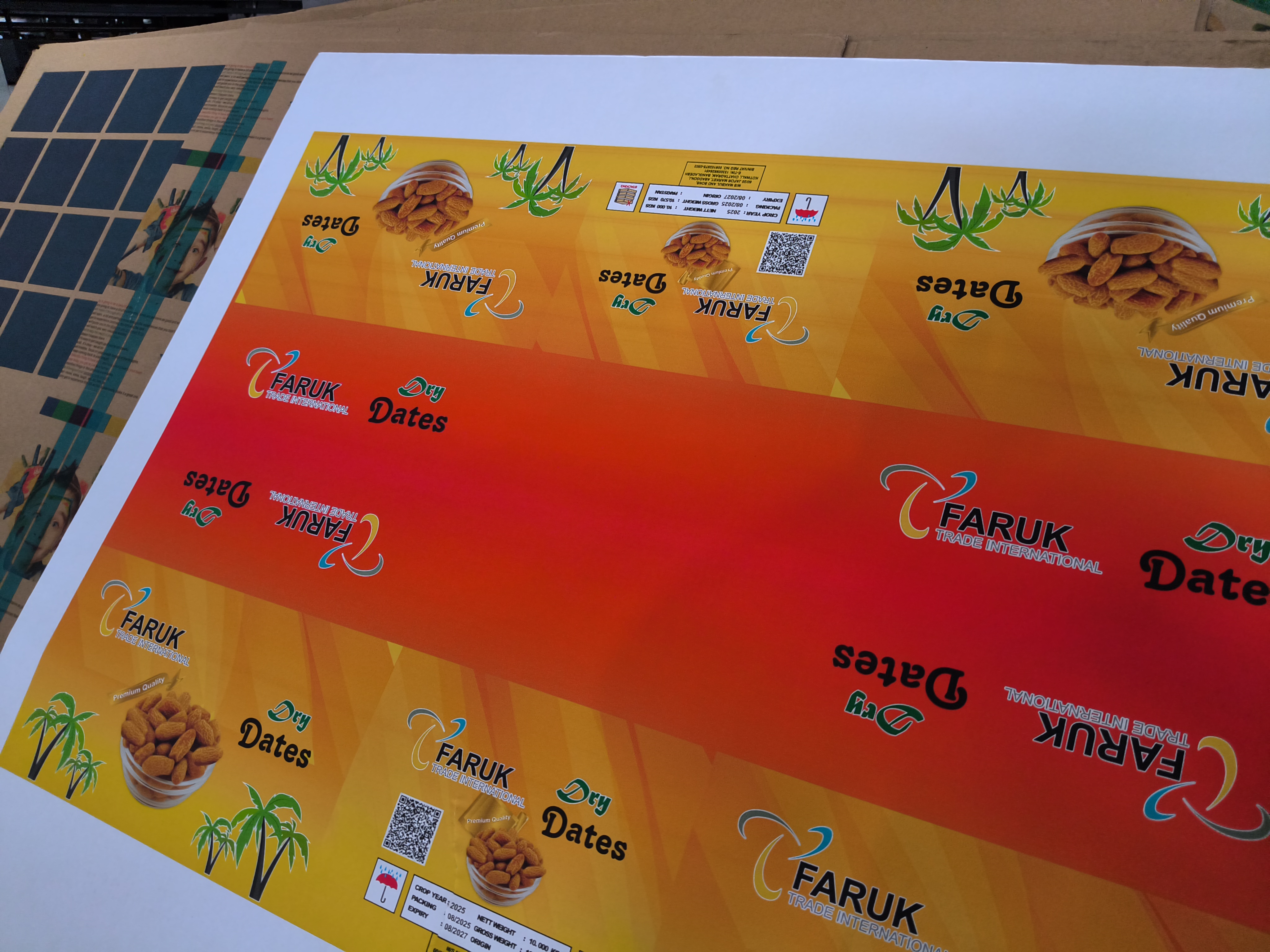
Assorted printed samples from the GOKING range — the most practical way to judge a machine before purchase.
See the Machine on Your Own Board
GOKING builds the 2-in-1 single-pass and multi-pass digital printing machine range in Dongguan, China, with 5-colour integrated models and multiple DPI and nozzle configurations. Export markets include the EU, Africa, Latin America, Russia, Kazakhstan and Turkey.
Download the full 2026 product catalog (PDF), request printed samples on your corrugated grades, or send your order-mix data for a configuration recommendation at www.cmyk-goking.com.
Email: dongjake402@gmail.com | WhatsApp: +86 18475532220 | Address: No. 1, Fuxiang Street, Huangniupu, Huangjiang Town, Dongguan City, China
About GOKING: Guangdong Goking Intelligent Technology Co., Ltd. was founded in 2020 and operates a 10,000 m² manufacturing facility with 152 employees, an annual output of 864 sets, and a 38-engineer R&D team. Its core products are single-pass and multi-pass 2-in-1 digital printing machines supporting various grades of corrugated and honeycomb cardboard.
Have Questions or Need More Details?
Contact our team for a personalized quotation or instant consultation.
Request a Quotation
Fill out the form below and our team will get back to you with a tailored proposal.
WhatsApp Direct Chat
Prefer to chat in real-time? Message us on WhatsApp for instant assistance & quick answers.
- Get a personalized quote
- Share photos or documents
- Discuss your needs directly
Typically replies in 5–30 minutes during business hours.