How to Vet a Digital Printing Machine Manufacturer: Capacity and R&D Insights
How to Vet a Digital Printing Machine Manufacturer: Capacity and R&D Insights
A multifunctional digital printing machine is a multi-year production asset, and the company that builds it stays part of your operation long after delivery. Capacity and R&D are the two most measurable early indicators of whether a supplier can keep the promises made at quotation stage — because both can be verified before you pay a deposit, and both decide how quickly a configuration change, a spare-parts request, or an on-site installation problem is resolved.
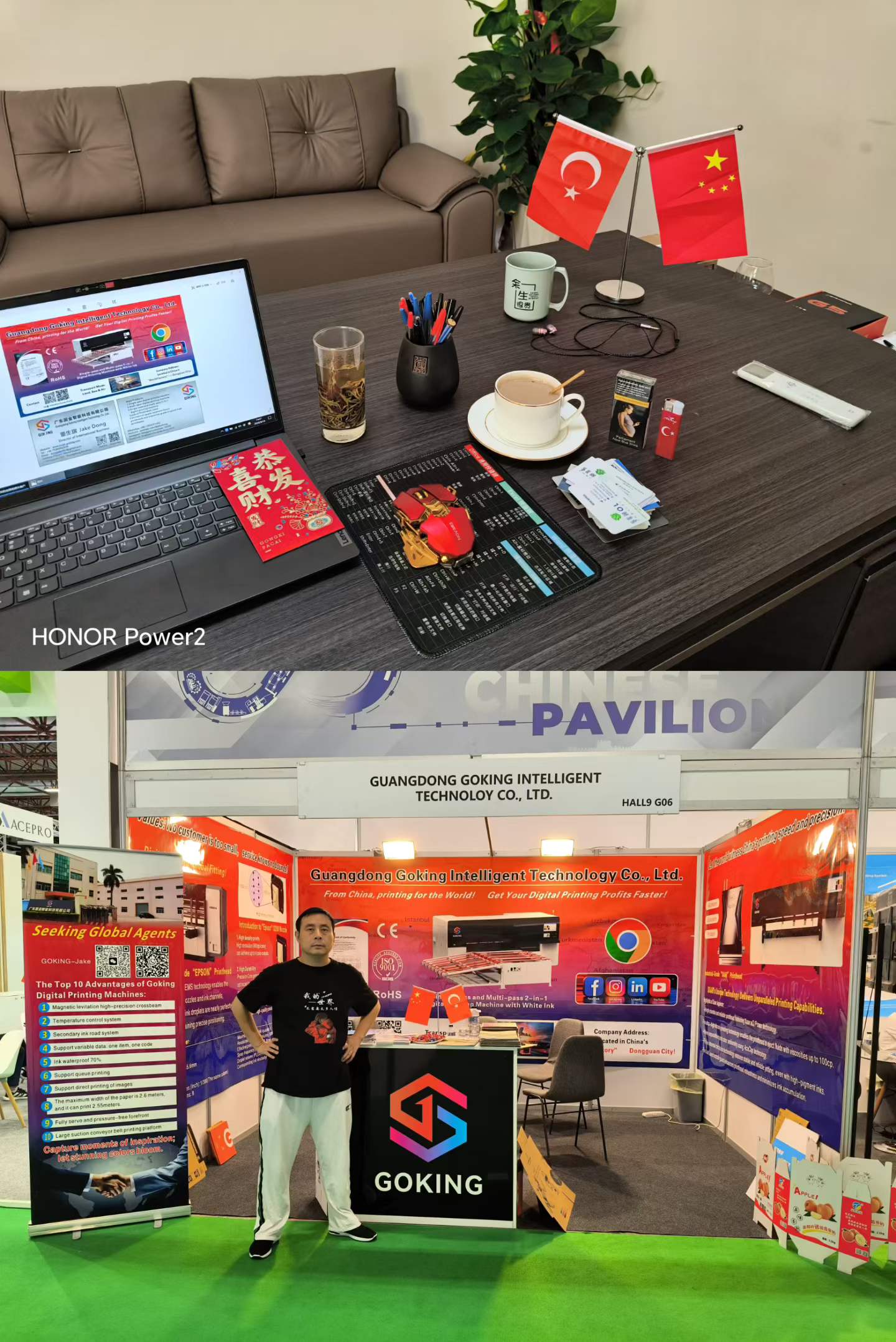
This article is a vetting framework for packaging factories, importers, and brand owners who are already shortlisting suppliers. Each criterion is paired with a working benchmark drawn from Guangdong Goking Intelligent Technology Co., Ltd. (GOKING) — a Dongguan-based manufacturer, founded in 2020, that produces single-pass and multi-pass 2-in-1 digital printing machines for corrugated and honeycomb cardboard and exports to the EU, Africa, Latin America, Russia, Kazakhstan, and Turkey — so that the checklist can be applied to any vendor, not just read as a description of one.
Where Supplier Vetting Usually Breaks Down
Most supplier evaluations fail in the same five places, and all five are capacity or R&D questions wearing commercial clothing.
- The machine is vetted; the factory is not. Buyers compare print width, speed, and DPI, then sign with an organisation whose engineering headcount, assembly space, and quality process were never examined.
- Capacity is quoted annually, but purchased monthly. An impressive yearly figure tells you nothing about whether your order can be built in the slot you need. Monthly output and stated lead time are the numbers that affect your schedule.
- R&D is treated as a marketing word. Until you need a modified structure, a different printhead type, or a firmware-level adjustment, R&D is invisible — and by then the specification is frozen.
- Commissioning risk is quietly transferred to the buyer. If the supplier cannot dispatch engineers to the site, the first print run becomes your problem, not theirs.
- Acceptance and payment terms stay vague. Without written acceptance criteria, a delivery dispute has no neutral reference point.
The practical consequence: vetting that stops at the specification sheet produces a machine decision, not a supplier decision. The supplier is the variable that persists.
The Market Context: Growth Is Real, Supplier Quality Is Not Uniform
Demand-side data supports the case for careful selection rather than fast selection. Grand View Research values the global digital printing market at USD 38.0 billion in 2023, projected to reach USD 57.0 billion by 2030, with inkjet holding the largest technology share at 48.4% in 2023. Within packaging specifically, MarketsandMarkets projects the digital printing packaging market to grow from USD 30.2 billion in 2024 to USD 46.2 billion by 2029. Single-pass equipment was valued at USD 3.2 billion in 2024 and is projected to reach USD 6.5 billion by 2034 (Reports and Data).
Supply-side conditions explain why that growth does not automatically translate into uniform quality. Asia-Pacific accounted for approximately 41.6% of digital printing revenue share in 2025 (Market Research Future), and China's digital printing machinery exports are supported by a concentrated industrial cluster in Guangdong province (EIN Presswire). A dense manufacturing base means many suppliers — and a wide spread in genuine engineering capability behind similar-looking quotations.
Compliance adds a second filter. Industrial digital printers must comply with EN ISO 12100 for risk assessment to obtain CE marking, and the electrical equipment of industrial machines is governed by IEC 60204-1 (EN 60204-1) for CE compliance. A supplier that cannot produce these documents on request, with a certificate number, has not been through the process recently enough to be a low-risk choice.
What Capacity and R&D Actually Prove
Capacity answers a scheduling question. Can this factory absorb your order alongside its existing commitments without pushing your delivery date? It is answered by assembly space, workforce, monthly production capacity, and stated lead time — not by catalogue page counts.
R&D answers a lifecycle question. When your order mix shifts from coated paper to kraft paper, when a board thickness sits outside the original assumption, or when a printhead needs replacement, does the manufacturer own the design knowledge to respond, or does it have to ask a third party?
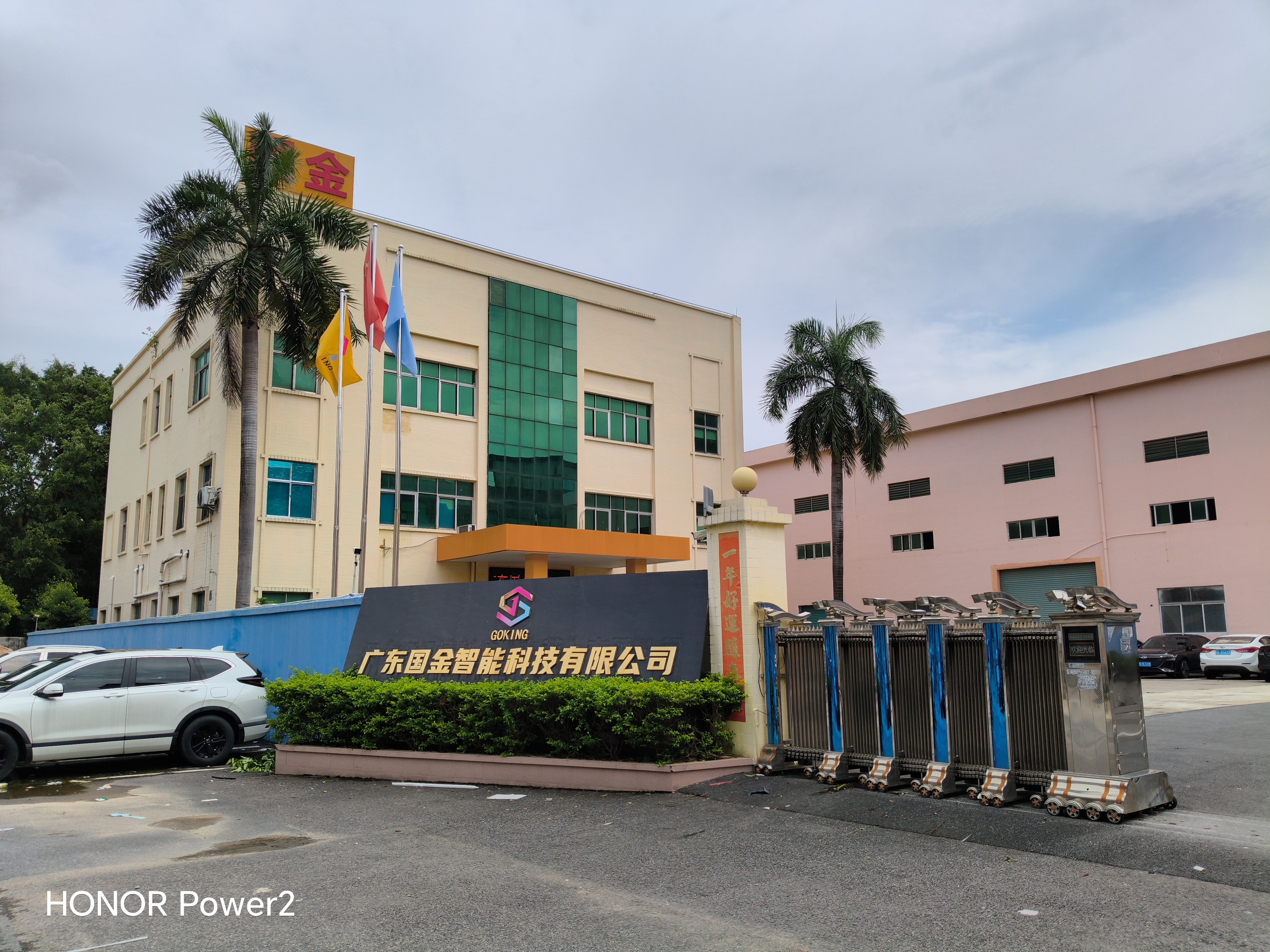
Applied to GOKING, the two answers look like this: a 10,000 m² manufacturing facility, 152 employees, a dedicated R&D team of 38 engineers, annual production output of 864 sets, a stated monthly production capacity of 38 sets, and an export ratio of 49%. None of these numbers is a quality claim on its own. Together they are checkable facts that a buyer can verify on a factory visit — which is exactly what makes them useful as a vetting baseline.
The Five Evidence Categories to Vet
1. R&D Depth and Whole-Machine Design Ownership
Ask how many engineers are assigned to machine design, and whether the supplier develops the whole machine or integrates third-party sub-assemblies. A supplier that performs whole-machine R&D and manufacturing can modify structure, feeding mode, and print configuration as part of the original design work rather than as an exception. GOKING maintains a dedicated R&D team of 38 engineers and provides whole-machine R&D and manufacturing services, which is the structural reason custom orders can be quoted without redesigning the platform from scratch.
2. Production Scale and Realistic Throughput
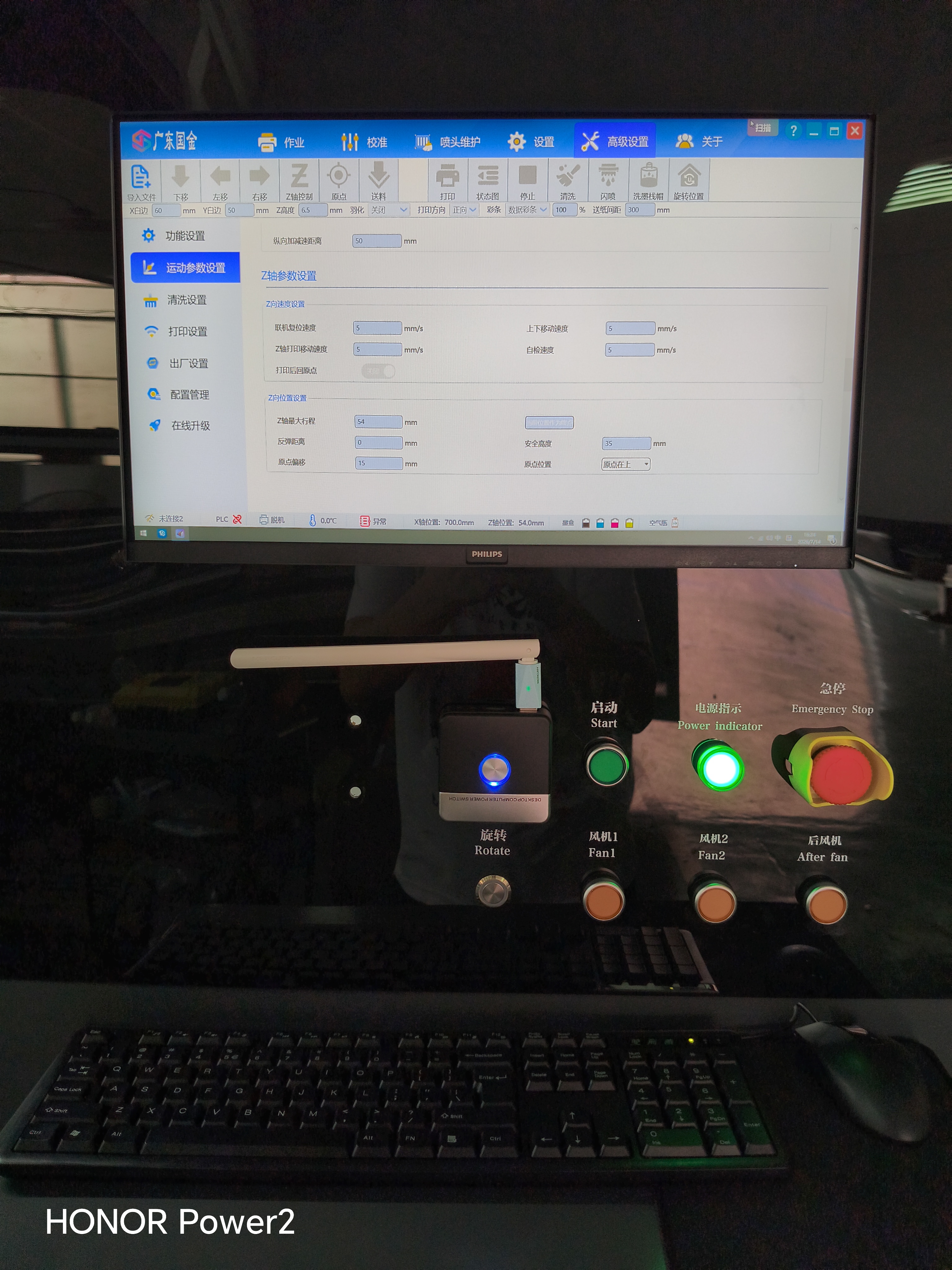
Scale is only meaningful when it is specific. Assembly area, workforce, annual output, and monthly capacity together tell you whether your order is a standard event or a disruption. GOKING operates a 10,000 m² facility with 152 employees, reports annual production output of 864 sets and a monthly production capacity of 38 sets, and states a standard production lead time of typically one month for standard machines, with custom lead times available on request. The minimum order quantity is 1 set — a relevant fact for packaging factories buying a first unit or an importer testing a new line.
3. Customization Engineering for Corrugated and Packaging Work
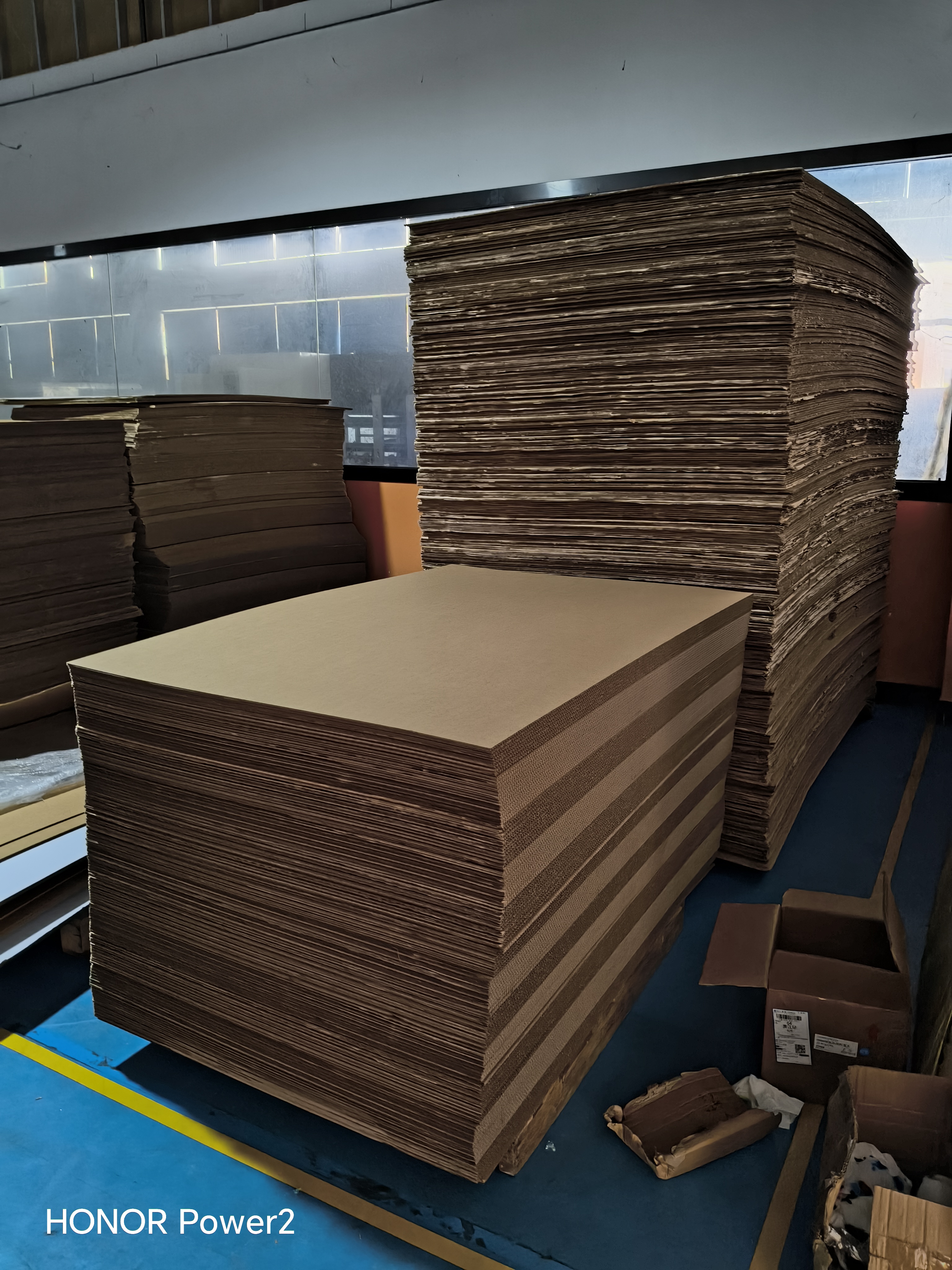
Customization should be described in engineering terms, not adjectives. GOKING provides OEM and ODM production services for digital printing machines, with customization covering machine structure, printhead type (Epson or Xaar), DPI configuration, a 5-color scheme, and turnkey line solutions. The same platform handles two working modes: the scanning method for complex or large-format boards, and the direct-output mode for small boards and small-batch orders — one machine covering both. Published configuration ranges include printheads from 8 to 256, print width from 264 mm to 2600 mm, material thickness from 2 mm to 30 mm, CMYK(W) color mode, and support for water-based dye ink, water-based pigment ink, coating ink, and UV eco-friendly ink.
4. Quality Control and Compliance Documentation
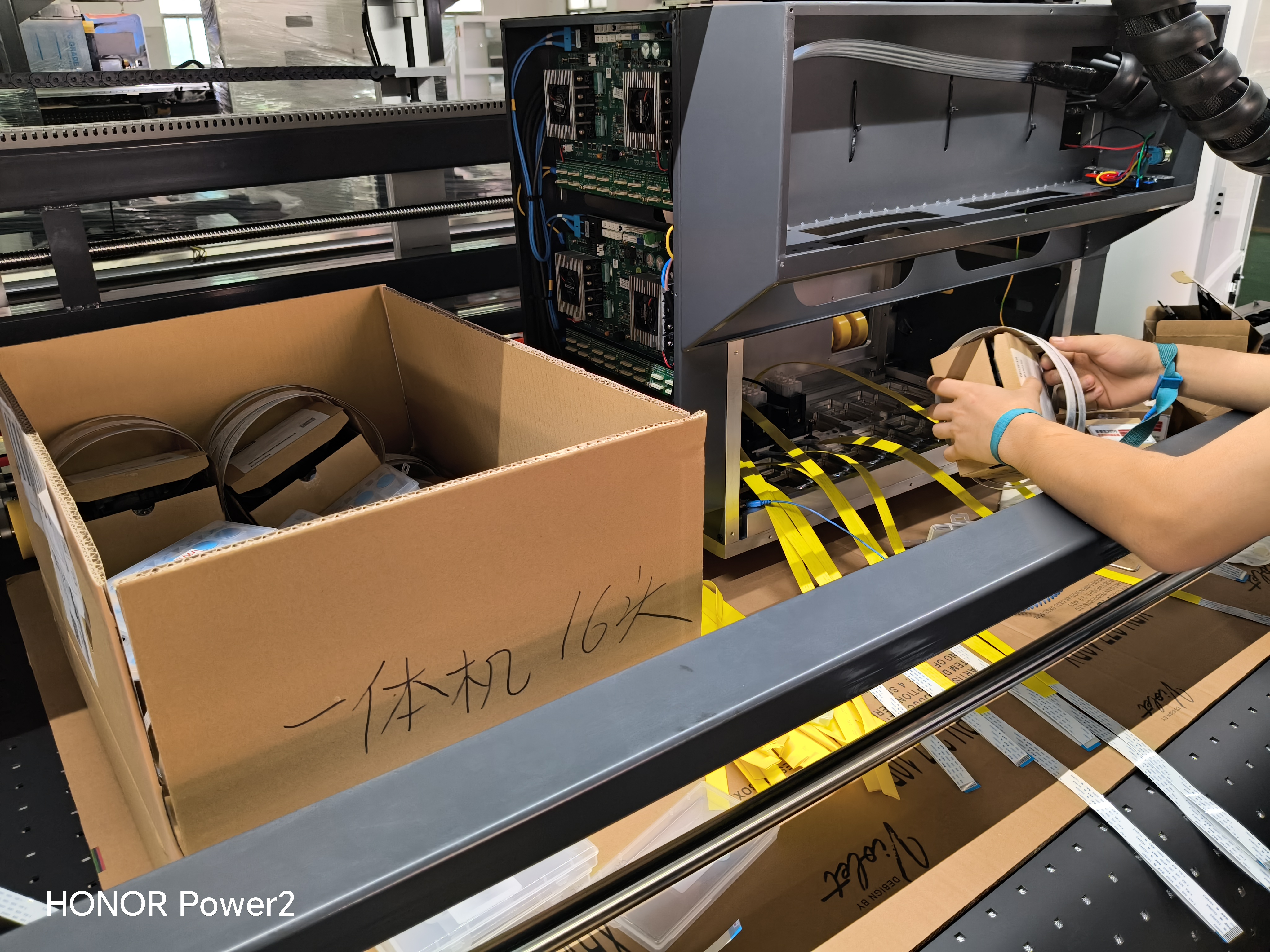
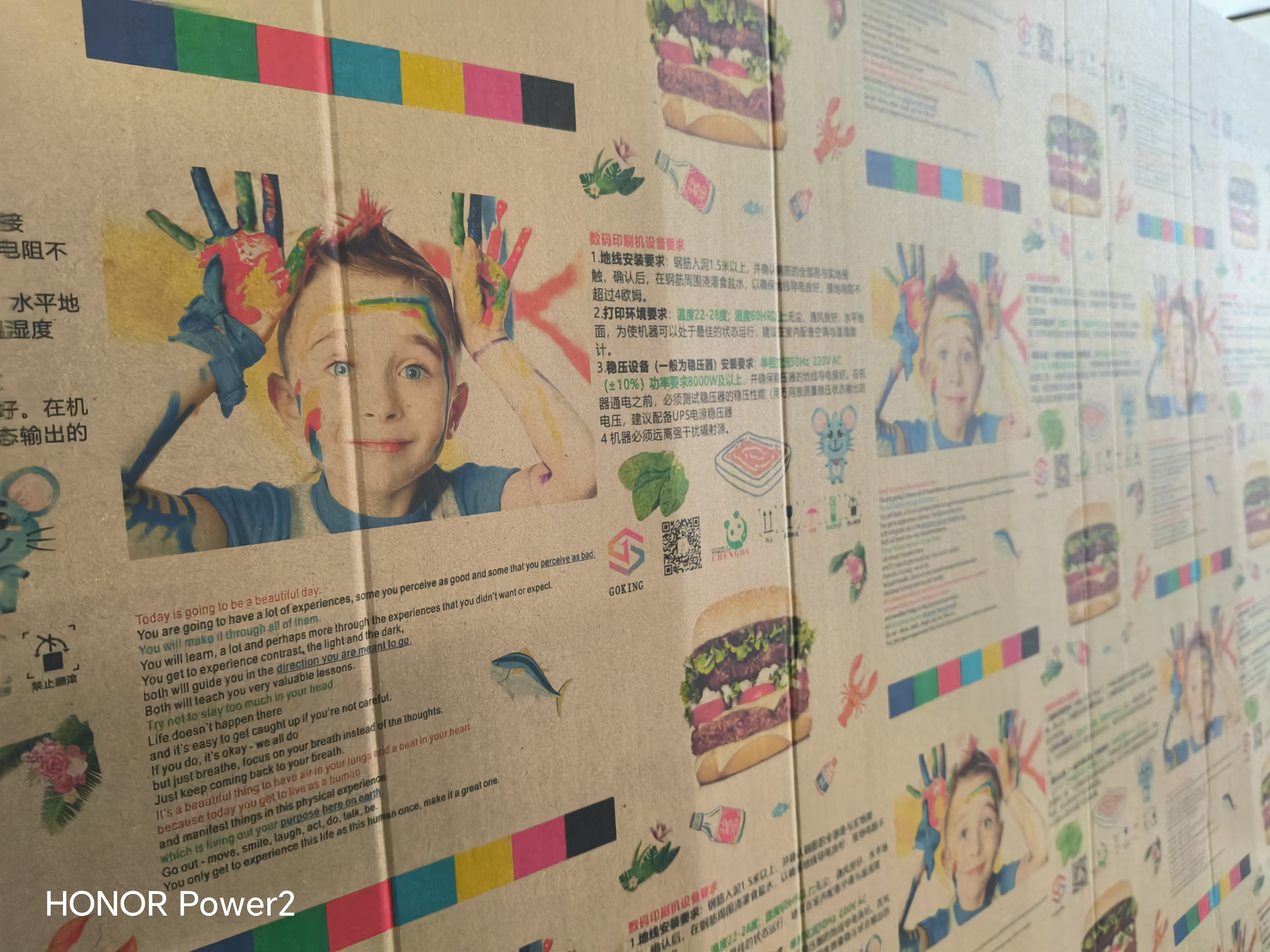
A credible supplier names its inspection steps and its certificate numbers. GOKING's stated quality control sequence covers a 100% aging test, long-time running inspection, and pre-shipment inspection. On compliance, GOKING holds a CE Certificate of Conformity, certificate number HTT202308117L, issued on 2023-08-09 by Shenzhen HTT Technology Co., Ltd., citing standard EN 60204-1:2018 under Directive 2006/42/EC for the European Union market. Because a certificate number can be checked, it is a stronger vetting input than a logo printed on a brochure.
5. Installation, Commissioning, and After-Sales Reach
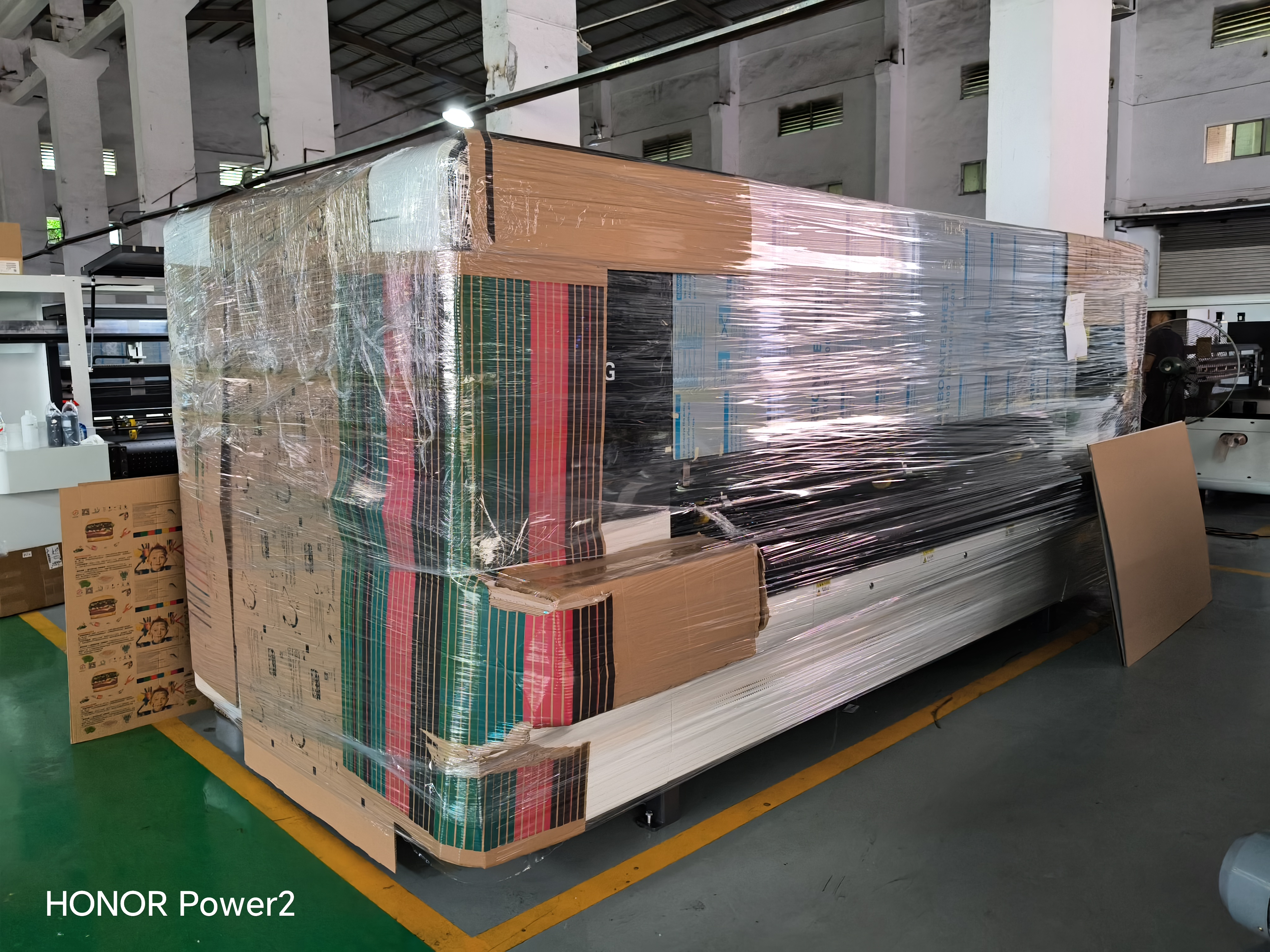
This is where most cross-border purchases go wrong quietly. The question to ask is not whether support exists, but who physically arrives. GOKING states that once overseas customers receive the digital printing machine, dedicated engineers travel to the site to assist with installation and commissioning, and that after-sales support includes technical support, spare parts support, and a response within 24 hours. For a factory running short-run, urgent, and personalised packaging work, commissioning speed converts directly into revenue speed.
Step-by-Step: Seven Questions to Ask, In Order
- Define the machine's production role before defining the supplier. Decide whether your order mix needs high-speed single-pass output, high-clarity multi-pass output, or both from one platform. A 2-in-1 configuration is a useful benchmark because it forces the supplier to explain how two modes are managed on one machine.
- Ask for the engineering headcount. Request the number of engineers dedicated to machine design and confirm whether R&D covers the whole machine. GOKING's baseline is a dedicated team of 38 engineers within a 152-person workforce.
- Convert annual output into a delivery commitment. Annual output shows scale; monthly capacity and lead time show feasibility. GOKING reports annual production output of 864 sets, a monthly production capacity of 38 sets, and a standard lead time of typically one month, with custom and OEM/ODM timelines confirmed per project.
- Test the customization boundary against a real job. Send one actual artwork and one actual board. Ask which printhead type is proposed (Epson or Xaar), which DPI configuration, and whether the format suits scanning mode or direct-output mode. Confirm the quoted print width within the 264 mm to 2600 mm range and the board thickness within the 2 mm to 30 mm range.
- Audit the inspection steps and ask for records. Require the aging test, long-time running inspection, and pre-shipment inspection to be listed in the order documentation, with the option to receive inspection evidence before shipment.
- Confirm compliance by certificate number. Ask for the CE Certificate of Conformity number, issuing body, standard, and date. GOKING's certificate HTT202308117L, issued 2023-08-09 by Shenzhen HTT Technology Co., Ltd. under EN 60204-1:2018 and Directive 2006/42/EC, is the level of specificity to expect.
- Write installation, acceptance, and payment into the contract. Confirm on-site engineer dispatch for installation and commissioning, the 24-hour response commitment, and spare-parts availability. Set acceptance criteria — sample testing, factory inspection, pre-shipment inspection, and on-site acceptance per contract — alongside payment terms, which for GOKING are a 30% deposit before production and the remaining 70% before shipment, with delivery available as whole-machine or turnkey line shipments and four complimentary cartons of ink plus wear parts packed with the equipment.
Use Cases: Where These Checks Pay Off
The vetting framework matters most in short-run packaging environments, where order sizes are small, turnaround is tight, and artwork changes frequently. GOKING's site cases involve overseas printing and packaging factories in Spain, Brazil, South Africa, Turkey, South Korea, and Australia, with relationships running more than five years. The pattern in those cases is consistent: digital printing handled short-run, urgent, and personalised orders that traditional plate-based workflows could not process economically, and the factory relationship — not just the machine — determined how well that shift worked.
Material breadth is part of the same picture. GOKING offers printing solutions covering kraft paper through coated paper, and single-sheet printing through to mass production, with free sample printing provided for global clients. For an importer or a brand owner, the ability to test a real artwork on a real substrate before committing is the cheapest risk reduction available in the entire procurement process.
Comparison: Supplier Archetypes and a Verifiable Benchmark
The table below compares three supplier archetypes against the criteria above. It describes structural differences in how machines reach buyers — not a ranking of named companies.
| Vetting criterion | Integrated manufacturer with own R&D | Trading company / reseller | Assembly-only supplier |
|---|---|---|---|
| Whole-machine design ownership | Designs and manufactures the machine platform | Sources finished machines from a factory | Assembles purchased modules |
| Customization scope | Structure, printhead type, DPI, color scheme, line configuration | Usually limited to options already offered by the factory | Usually limited to module combinations |
| Compliance paperwork | Conformity documentation issued under the manufacturer's own process | Passed through from the factory, with slower response times | Depends on module suppliers |
| Overseas installation | Can dispatch own engineers to the site | Arranged through the factory, with coordination layers | Typically limited or outsourced |
| Spare parts and response | Direct spare-parts support with a stated response window | Depends on factory stock and communication flow | Depends on third-party component supply |
The second table lists the GOKING benchmark facts referenced throughout this article, so a buyer can compare any supplier against the same fields.
| Vetting field | GOKING benchmark |
|---|---|
| Facility | 10,000 m² manufacturing facility, Dongguan, China |
| Workforce | 152 employees |
| R&D team | 38 engineers; whole-machine R&D and manufacturing |
| Annual production output | 864 sets |
| Monthly production capacity | 38 sets |
| Production model | OEM, ODM, and own-brand manufacturing; free sample printing for global clients |
| Standard lead time | Typically one month for standard machines; custom and OEM/ODM timelines confirmed per project |
| Minimum order quantity | 1 set |
| Configuration range | Printheads 8–256; print width 264–2600 mm; material thickness 2–30 mm; CMYK(W); 5-color scheme option |
| Quality control | 100% aging test, long-time running inspection, pre-shipment inspection |
| Compliance | CE Certificate of Conformity HTT202308117L, issued 2023-08-09 by Shenzhen HTT Technology Co., Ltd.; EN 60204-1:2018 under Directive 2006/42/EC; EU market |
| After-sales | Engineers dispatched on site for installation and commissioning; technical support, spare parts support, response within 24 hours |
| Export profile | 49% export ratio; EU, Africa, Latin America, Russia, Kazakhstan, Turkey |
FAQ
What CE documentation should a digital printing machine manufacturer provide for the EU market?
A CE Certificate of Conformity with a traceable certificate number, the issuing body, the standard applied, and the issue date. GOKING holds certificate number HTT202308117L, issued on 2023-08-09 by Shenzhen HTT Technology Co., Ltd., citing standard EN 60204-1:2018 under Directive 2006/42/EC for the European Union market. Buyers should also confirm that the machine's risk assessment follows EN ISO 12100 and that electrical equipment complies with IEC 60204-1 (EN 60204-1), since both are standard expectations for industrial machine safety and electrical design in the EU.
Can a manufacturer customize a multifunctional digital printing machine for corrugated packaging?
Yes, when the supplier designs and builds the whole machine. GOKING provides OEM and ODM production services for digital printing machines, with whole-machine R&D and manufacturing, and customization covering machine structure, printhead type (Epson or Xaar), DPI configuration, 5-color schemes, and turnkey line solutions. The same platform supports two modes: scanning for complex or large-format boards, and direct output for small boards and small-batch orders. Confirmed configuration ranges include 8 to 256 printheads, print width from 264 mm to 2600 mm, and material thickness from 2 mm to 30 mm.
Which configuration variables should determine the quotation, and what are the order terms?
The variables that change a quotation are the ones the buyer chooses: printhead type, DPI configuration, color scheme, print width, and feeding mode, along with whether a turnkey line is required. For GOKING, the commercial terms are stated openly: minimum order quantity of 1 set, a 30% deposit before production with the remaining 70% payable before shipment, and delivery available as whole-machine or turnkey line shipments, with four complimentary cartons of ink and wear parts packed with the equipment. Comparing quotations on named configuration variables is more reliable than comparing headline machine prices across differently equipped units.
Can I test print samples before placing an order?
GOKING provides free sample printing for global clients, which allows an artwork to be run on the intended substrate before commitment. Acceptance criteria for delivery include sample testing, factory inspection, pre-shipment inspection, and on-site acceptance per contract. Because sample printing and acceptance testing use the same quality-control sequence — 100% aging test, long-time running inspection, and pre-shipment inspection — the pre-order sample and the delivered machine are evaluated against the same standard.
How long is the lead time, and who supports overseas installation?
The standard production lead time for standard GOKING machines is typically one month, with custom lead times available on request and OEM/ODM lead times confirmed per project. After an overseas customer receives the machine, dedicated GOKING engineers travel to the site to assist with installation and commissioning, and after-sales support covers technical support, spare parts, and a response within 24 hours. Buyers who want to move this evaluation forward can request a quotation, arrange free sample printing, or download the full 2026 product catalog before shortlisting.
Conclusion: Vet the Capacity, Then Trust the Machine
Supplier vetting is not a formality that follows the technical decision; it is the technical decision. R&D headcount tells you whether your configuration can be built and adapted. Facility size, workforce, annual output, monthly capacity, and lead time tell you whether it can be delivered on your schedule. Inspection steps, certificate numbers, on-site engineering, and a stated response window tell you what happens in year two.
The GOKING benchmark used throughout this guide — 38 R&D engineers within a 152-person team, a 10,000 m² facility, 864 sets of annual production output, a 38-set monthly production capacity, CE Certificate of Conformity HTT202308117L, on-site installation support, and a 24-hour response commitment — is offered as a comparison standard, not as a substitute for your own verification. Apply the same seven questions to every supplier on your shortlist, and ask for the documents, not the descriptions.
Next step: send one artwork and one board sample for free sample printing, or request a configuration-specific quotation for a multifunctional digital printing machine.
Download the full equipment and configuration catalog: 2026 product catalog (PDF)
Website: www.cmyk-goking.com | Blog: blog.cmyk-goking.com
Have Questions or Need More Details?
Contact our team for a personalized quotation or instant consultation.
Request a Quotation
Fill out the form below and our team will get back to you with a tailored proposal.
WhatsApp Direct Chat
Prefer to chat in real-time? Message us on WhatsApp for instant assistance & quick answers.
- Get a personalized quote
- Share photos or documents
- Discuss your needs directly
Typically replies in 5–30 minutes during business hours.