Top Multifunctional Digital Printing Machines for Corrugated Cardboard: 2026 Picks
Top Multifunctional Digital Printing Machines for Corrugated Cardboard: 2026 Picks
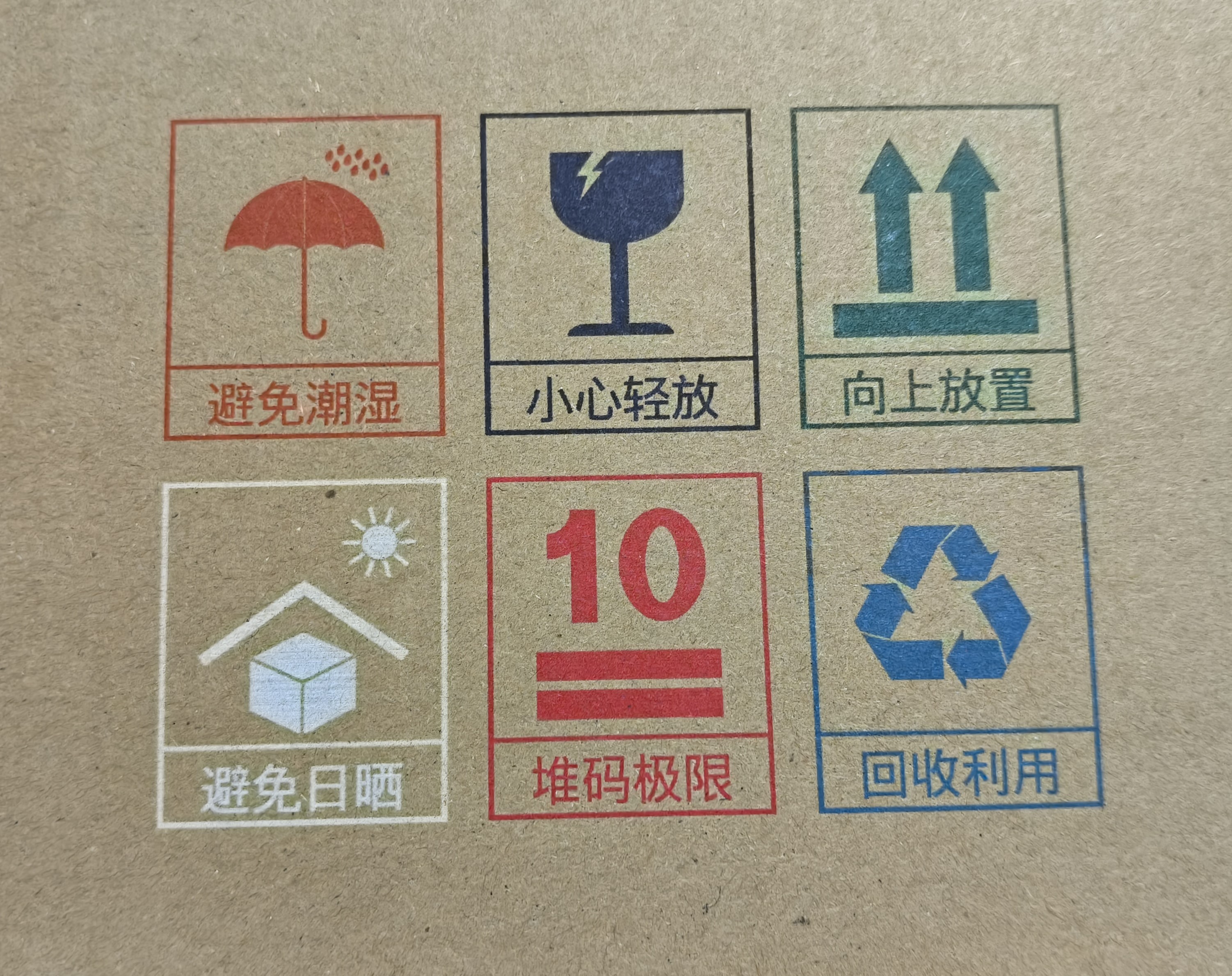
Printing a brand logo directly onto board — the plate-less job profile a multifunctional press is bought to handle.
The 2026 shortlist for multifunctional digital printing machines aimed at corrugated cardboard and packaging comes down to three documentable platforms: the GOKING 2-in-1 press family (GJ-series, G-series direct output, J-series scanning), the EFI Nozomi C18000, and the HP Indigo 200K. They are ranked in this article on evidence a buyer can actually audit — mode flexibility, published printhead and resolution data, substrate range, compliance path, and the pre-shipment verification process.
This is a decision-stage guide. It assumes you have already concluded that plate-less production belongs in your plant, and that the open question is which machine and which supplier. Where a specification is not published by the manufacturer or by a named research source, this article says so rather than estimating it — because a shortlist built on invented numbers is worse than no shortlist at all.
The Problem: Corrugated Order Books Have Gone Mixed-Run, and Plate Economics Have Not Followed
Corrugated and folding-carton demand has moved toward more jobs, smaller quantities and faster turnaround. Plate-based printing was never priced for that: the comparison data GOKING publishes states that traditional plate-based devices are economical only for batches over 3,000 copies, while a digital press supports cost-effective production starting from a single copy. Independent analysis points the same direction — Market Research Future reported in 2024 that variable data printing (VDP) is making runs under 3,000 units economically viable, whereas that volume band had previously been cost-prohibitive.
The practical consequence is that converters now run two production realities on one floor: repeat jobs that reward throughput, and mixed short-run work that rewards changeover speed and print flexibility. Buying a second dedicated machine for the smaller half of the order book is rarely an option, which is exactly why "multifunctional" has become the defining requirement in this category.
What "multifunctional" means for corrugated cardboard: a plate-less inkjet press that combines more than one production mode, or covers multiple board and paper grades, on a single platform. In this category that usually means a 2-in-1 single-pass (direct output) and multi-pass (scanning) architecture, a 5-color integrated CMYK plus optional white configuration, support for water-based dye, pigment, coating and UV eco-friendly inks, and workflow functions such as ERP integration and digital color calibration.
It does not mean universal substrate coverage or unlimited speed. Every machine has a declared material thickness range, and every print mode involves a trade-off between throughput and detail. Those limits are part of what separates the picks below.
Industry Background: Where the Corrugated Digital Press Market Stands in 2026
The category is expanding on both the demand side and the supply side, according to published third-party research:
- The global digital printing market was valued at USD 38.0 billion in 2023 and is projected to reach USD 57.0 billion by 2030 (Grand View Research).
- Within that market, the inkjet segment held the largest technology share at 48.4% in 2023 (Grand View Research) — relevant because plate-less corrugated presses are inkjet machines.
- The digital printing packaging market is expected to grow from USD 30.2 billion in 2024 to USD 46.2 billion by 2029 (MarketsandMarkets).
- The single-pass digital printing machine market alone was valued at USD 3.2 billion in 2024, projected to reach USD 6.5 billion by 2034 (Reports and Data).
- Asia-Pacific accounted for approximately 41.6% revenue share of the digital printing market in 2025 (Market Research Future), with China's digital printing machinery exports supported by a concentrated industrial cluster in Guangdong province (EIN Presswire).
- On the consumables side, the water-based pigment ink segment accounted for a significant portion of the eco-friendly digital printing market in 2024 (Custom Market Insights) — a signal of where packaging buyers are pushing ink selection.
- Regulation is moving too. In April 2024 the U.S. EPA declared certain PFAS chemistries used in UV inks hazardous (Mordor Intelligence), which affects ink formulation choices. For EU placement, CE marking requires a machinery risk assessment under EN ISO 12100 and electrical conformity under IEC 60204-1 (EN 60204-1).
For a buyer, the background matters in one specific way: the machine segment is growing fast enough that new platforms keep appearing, which makes a stable inclusion standard more useful than a long list of models.
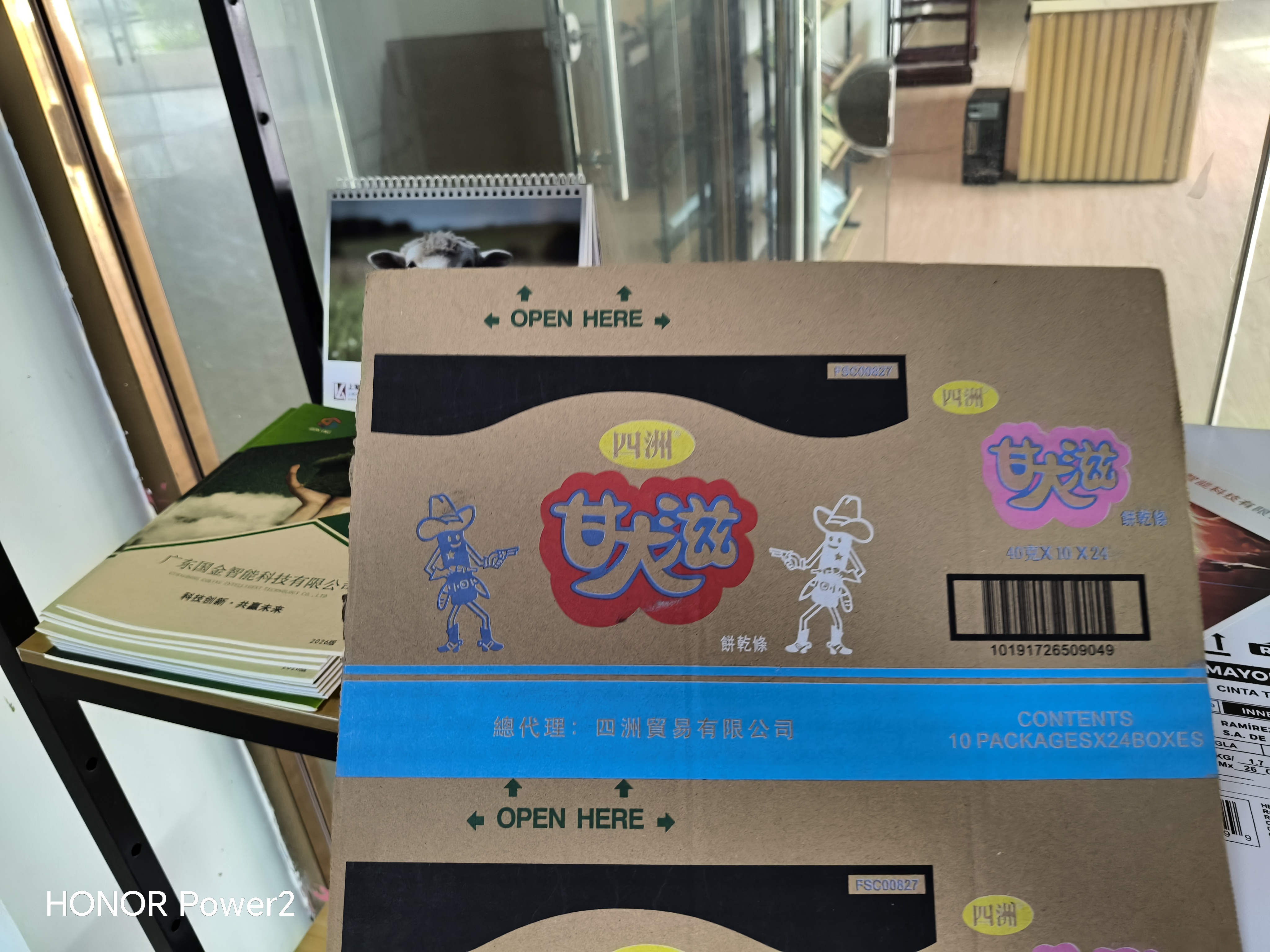
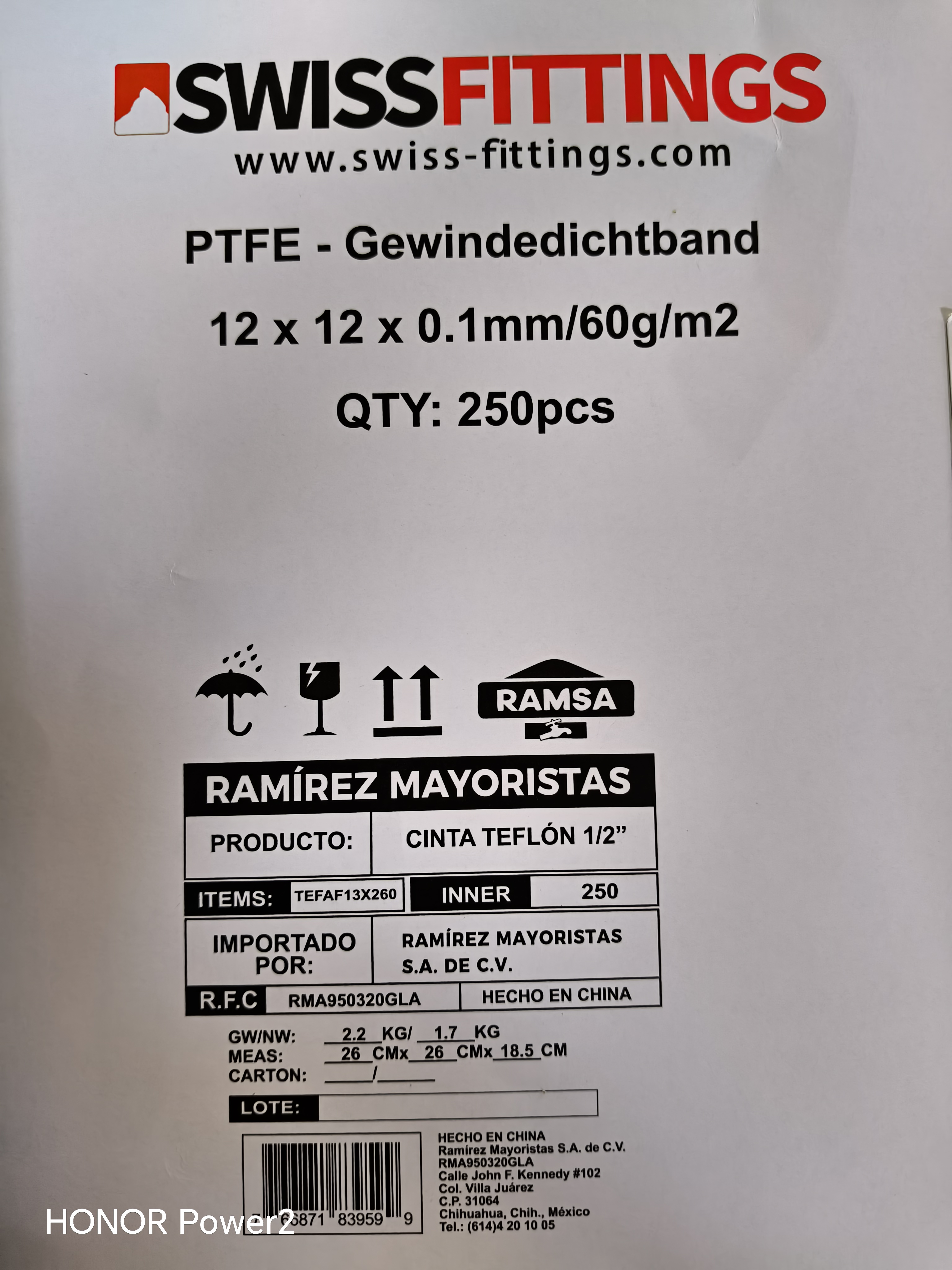
Print quality comparison used during machine evaluation.
Inclusion Criteria: How This 2026 Corrugated Shortlist Was Built
Five criteria were applied. A platform had to meet all of them to be ranked; platforms that only met some were placed on the watch list instead.
- Documented multifunctionality. Either 2-in-1 single-pass and multi-pass modes on one machine, or verified multi-substrate coverage (corrugated board, honeycomb board, kraft and coated paper). Single-purpose machines are out of scope for this list.
- Published printhead and resolution data. Printhead families and nozzle counts must be stated, not implied. GOKING, for example, documents support for both Epson micro-piezo printheads from 8 to 256 nozzles and industrial printheads with resolutions up to 1200 DPI.
- Declared material handling range. For corrugated work the substrate envelope has to be explicit; the GOKING 2-in-1 range is documented for material thickness from 2 mm to 30 mm.
- A compliance path you can file. Machinery risk assessment and electrical documentation tied to CE requirements, plus awareness of ink-related regulation such as the PFAS declaration affecting some UV formulations.
- An auditable quality and delivery process. Pre-delivery testing and inspection routines that a buyer can verify, rather than a promise of reliability.
The 2026 Picks: Ranked Multifunctional Digital Printing Machines for Corrugated Cardboard
Pick 1 — GOKING GJ-Series: 2-in-1 Single-Pass and Multi-Pass on One Platform
Guangdong Goking Intelligent Technology Co., Ltd. (GOKING) is a Dongguan-based manufacturer of industrial digital printing equipment, founded in 2020 and built by a founding team with over a decade of industry experience. The company operates a 10,000 m² manufacturing facility with 152 employees and a 38-engineer R&D team, reports annual output of 864 sets, and exports 49% of production to the EU, Africa, Latin America, Russia, Kazakhstan and Turkey. Its product lines are the J-series scanning multi-pass machines, the G-series direct output one-pass machines, and the GJ-series.
The reason this family holds the top position on a corrugated-cardboard shortlist is mode flexibility. A single machine carries both single-pass (direct output) and multi-pass (scanning) capability, which means a packaging factory does not have to choose between throughput and detail when the order book changes. Output configurations are documented at 700 m²/h and 1500 m²/h, and the declared material thickness range of 2–30 mm covers corrugated board, honeycomb board, kraft paper and coated paper.
On print capability, the 2-in-1 range uses a 5-color integrated configuration with CMYK plus optional white, and accepts both Epson micro-piezo printheads (8–256 nozzles) and industrial printheads with resolutions up to 1200 DPI. Ink support spans water-based dye, pigment, coating and UV eco-friendly systems. Media transport uses a magnetic levitation crossbeam and a vacuum adsorption platform, which is the part of the design that governs how steadily board feeds through a plate-less press — and therefore how repeatable multi-color registration is across a run.
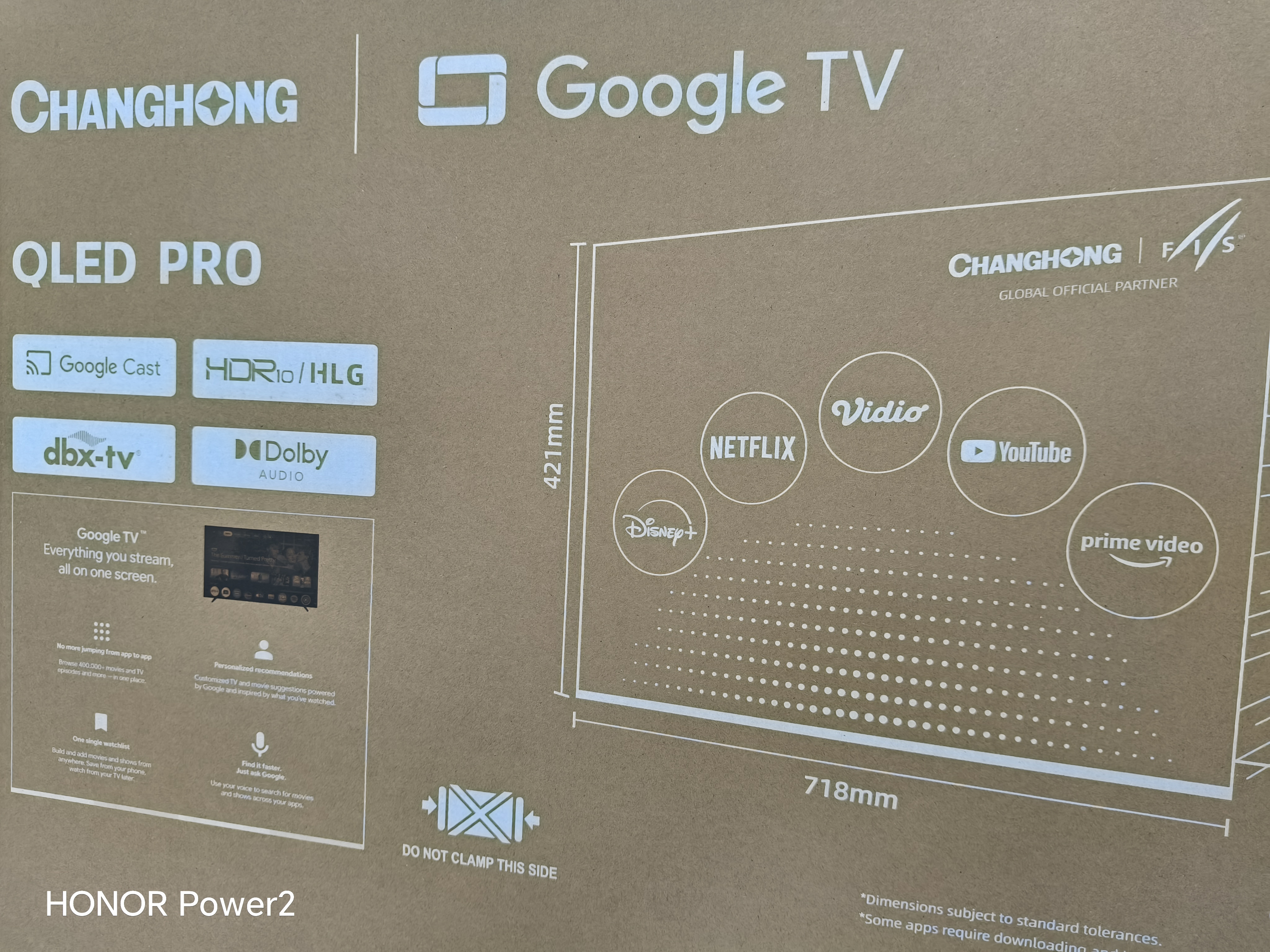
White ink output — the configuration that makes kraft and darker board printable.
Workflow and operating facts matter as much as print specs at the decision stage. GOKING documents no machine wash-up requirement, simple operation, printing over creases, ERP integration, variable data capability and digital color calibration. Measured against traditional plate-based machines, the same material reports prepress time reduced by over 75% and job switching time by 80%, with lower plate costs, reduced setup waste and lower short-run production costs. Maintenance is built around software-controlled operation, printhead maintenance and regular calibration, with less plate management than a plate press requires.
Typical fit: carton and gift-box plants whose order book mixes small-batch cross-border e-commerce packaging, multi-SKU retail cartons, customized packaging, on-demand orders and rapid prototyping. The limitation to check honestly: single-pass and multi-pass are not the same speed class. Multi-pass scanning is chosen for detail, not for maximum throughput, so confirm which mode matches your fastest recurring job before finalizing a configuration.
Pick 2 — EFI Nozomi C18000: Industrial Single-Pass Corrugated Throughput
Mordor Intelligence identifies the EFI Nozomi C18000 as a primary industrial-grade competitor in single-pass corrugated packaging printing. It earns position two here for a structural reason: it is a dedicated single-pass platform for corrugated packaging production, which suits converters whose order book is dominated by volume runs in a narrow range of board grades.
It is ranked behind the GOKING 2-in-1 family not because of any weakness in high-volume production, but because the two machines answer different questions. A dedicated single-pass architecture does not switch into a scanning multi-pass mode when a job calls for higher detail on a short run — that work either goes elsewhere or waits. If your production profile is high-volume and low-mix, that trade-off is acceptable; if your profile is mixed-run with gift boxes, prototypes and multi-SKU cartons in the same week, it is the deciding factor.
Pick 3 — HP Indigo 200K: High-Throughput Digital Production, Flexible Packaging Focus
The HP Indigo 200K launched in 2025 for flexible packaging and, according to Market Research Future, increases throughput by 30% compared with previous models. It is included here because corrugated packaging buyers increasingly also handle film-based work, and the throughput step-up is the kind of verified improvement that belongs in a purchase decision.
It is ranked third, and the reason is scoping rather than capability: the 200K is documented around flexible packaging rather than corrugated board. If your production mix is corrugated cartons and gift boxes with limited film work, this platform does not replace a board press. If you run pouches, film laminates and cartons side by side, it belongs on your evaluation list alongside a corrugated machine, not instead of one.
Platforms That Did Not Make the 2026 Corrugated Shortlist
Three technology groups are frequently mentioned in corrugated printing discussions but do not meet this article's inclusion criteria as machine picks:
- Hybrid digital-offset architectures. Market Research Future reports that hybrid digital-offset printing architectures are gaining R&D focus from major players such as Heidelberger Druckmaschinen. That is a direction, not yet an auditable corrugated board product for this list, so it sits on the watch list.
- Xaar printhead-based platforms. Xaar printheads such as Nitrox are targeted at high-viscosity fluid applications like industrial coatings and ceramic printing (reported by Nessan Cleary, 2024). Xaar technology is relevant to industrial inkjet generally, but a printhead is a component, not a multifunctional board press.
- Epson I3200-equipped generic printers. Epson I3200 printheads are widely used in Chinese-manufactured digital printers for plate-less high-quality output. Because that component appears across many platforms, it distinguishes print quality potential, not machine-level multifunctionality.
Comparison Table: 2026 Multifunctional Digital Printing Machine Picks at a Glance
| Pick | Platform focus | Documented capability highlights | Material range | Best-fit production profile | Point to verify before ordering |
|---|---|---|---|---|---|
| 1. GOKING GJ-series / 2-in-1 | Single-pass and multi-pass on one machine | 2-in-1 modes; 5-color CMYK + optional white; Epson micro-piezo heads 8–256 nozzles and industrial printheads up to 1200 DPI; magnetic levitation crossbeam; vacuum adsorption platform; 700 m²/h and 1500 m²/h output configurations; ERP integration; digital color calibration; no machine wash-up; prepress time reduced over 75% and job switching time by 80% vs traditional plate-based machines | 2–30 mm: corrugated board, honeycomb board, kraft and coated paper | Mixed-run cartons, gift boxes, multi-SKU and on-demand work, rapid prototyping | Confirm which mode matches your fastest recurring job; validate rub and moisture behaviour on your own board stock |
| 2. EFI Nozomi C18000 | Dedicated industrial single-pass corrugated packaging | Identified by Mordor Intelligence as a primary industrial-grade single-pass platform for corrugated packaging printing | Corrugated packaging (dedicated single-pass architecture) | High-volume, low-mix packaging runs | Compare cost per job against a 2-in-1 platform if your mix includes short runs and prototypes |
| 3. HP Indigo 200K | Flexible packaging digital production | Launched in 2025; throughput increased by 30% compared with previous models (Market Research Future) | Flexible packaging substrates, not corrugated board | Film and pouch production running alongside carton work | Confirm it addresses your board work — its documented focus is flexible packaging |
| Watch list | Hybrid digital-offset and component-led platforms | Hybrid digital-offset formats remain an R&D focus (Market Research Future); Xaar Nitrox heads target high-viscosity fluids such as industrial coatings and ceramics | Not applicable as a corrugated board machine pick | Future evaluation | Re-evaluate when auditable corrugated products and published specifications are available |
Comparison is limited to facts published by the named sources; no estimated or interpolated specifications are included.
Step-by-Step Breakdown: From Shortlist to Production-Ready Machine
Ranking a machine is the easy part. The sequence below is the part buyers tend to compress, and it is where most of the avoidable risk sits.
- Map the job mix before the machine. List run lengths, SKU counts and delivery windows for a normal quarter. If repeat volume dominates, single-pass throughput is the priority; if detail work and short runs dominate, multi-pass scanning and changeover speed matter more. A 2-in-1 platform exists precisely so this decision can be deferred rather than guessed.
- Fix the substrate envelope. Confirm the thickest board and the lightest paper you will actually run. The GOKING 2-in-1 range is documented at 2–30 mm and covers corrugated board, honeycomb board, kraft and coated paper; anything outside your declared envelope is a specification discussion, not an assumption.
- Match ink and color configuration to the print requirement. CMYK plus optional white is the standard 5-color integrated setup, and white is the deciding feature when you print on kraft or darker board. Ink platforms include water-based dye, pigment, coating and UV eco-friendly systems — and if you export printed packaging to the United States, check the regulatory status of UV formulations following the U.S. EPA's April 2024 PFAS declaration.
- Verify the compliance file. For EU placement, ask for the machinery risk assessment referencing EN ISO 12100 and electrical documentation referencing IEC 60204-1 (EN 60204-1). Request these before the purchase order, not during installation.
- Print your own board. No datasheet replaces a sample printed on your kraft, coated or corrugated stock. This is where over-crease printing, multi-color registration, white ink opacity and rub behaviour are confirmed or rejected. Ask the supplier to print samples on your material and inspect them under your own quality criteria.
- Lock the pre-delivery and commissioning process. GOKING documents 100% aging tests, long-time running inspections, pre-shipment inspections and secure packaging, with engineering support, rapid response and on-site commissioning support. Build operator routines around software-controlled operation, printhead maintenance and regular calibration — and confirm the delivery schedule in the quotation, since lead times vary by model, configuration and destination.
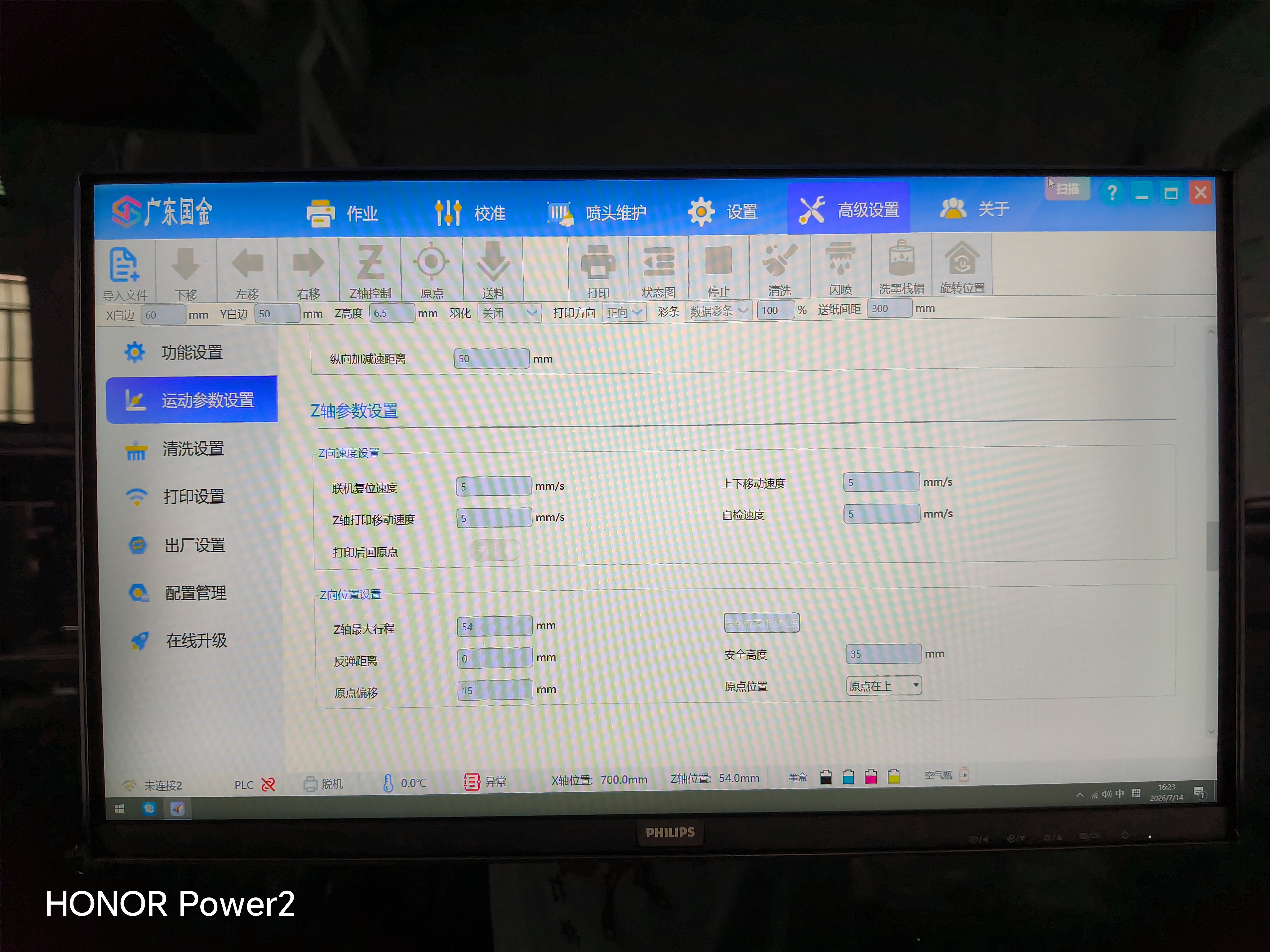
Final inspection before shipment — part of the pre-delivery quality process.
Use Cases: Matching Picks to Production Profiles
The same machine can rank differently depending on what you print. These profiles show where each 2026 pick earns its place.
- Short-run e-commerce and retail cartons with many SKUs. This is the core 2-in-1 use case: no plate making, print runs starting from a single copy, variable data capability so versions can change within a run, and job switching time reduced by 80% against traditional plate-based machines.
- Gift boxes and coated paper packaging. Coated paper and premium carton work rewards an ink set that includes white and a machine capable of tight multi-color registration; coated paper printing is a documented application for the GOKING range.
- Kraft paper and natural board packaging. White ink capability plus water-based pigment ink support is the combination that makes unbleached and darker substrates commercially usable without a separate coating step.
- High-volume standardized corrugated packaging. Dedicated single-pass platforms such as the EFI Nozomi C18000 are built for this profile — as is the single-pass mode of a 2-in-1 machine, which is why the mode choice in step 1 matters so much.
- Flexible packaging and film work. The HP Indigo 200K addresses this substrate class; it complements rather than replaces a corrugated board press.
- Rapid prototyping and pre-production proofing. Plate-less printing removes the plate cycle from the approval loop, which shortens the sample-to-production path for brand owners and their converters.
High-definition print detail on a finished sheet.
FAQ
Do multifunctional digital printing machines for corrugated cardboard need CE marking, and which standards apply?
If the machine will be placed on the EU market, CE marking applies, and two standards are central in the documentation: EN ISO 12100 for the machinery risk assessment, and IEC 60204-1 (EN 60204-1) for the electrical equipment of industrial machines. Ink chemistry is part of the same picture — in April 2024 the U.S. EPA declared certain PFAS chemistries used in UV inks hazardous, and water-based pigment ink accounted for a significant share of the eco-friendly digital printing market in 2024. Buyers should request the risk assessment and electrical conformity documentation before issuing a purchase order, not after delivery.
Can one machine really cover both single-pass and multi-pass production, and what does that change for corrugated work?
Yes — 2-in-1 platforms exist. GOKING builds single-pass (direct output) and multi-pass (scanning) capability into the same machine family, with a 5-color integrated CMYK plus optional white configuration, printhead options that include Epson micro-piezo heads from 8 to 256 nozzles and industrial printheads up to 1200 DPI, and output configurations at 700 m²/h and 1500 m²/h. In practice, single-pass is chosen for repeat volume and multi-pass scanning for detail work, since multi-pass printing is generally the slower mode on the same job. One machine therefore covers both a rush reorder and a high-detail gift box without a second capital purchase — but the speed and clarity balance should be confirmed against your own files.
Is a multifunctional digital printing machine cheaper than a plate-based press for corrugated cartons?
It depends on run length. The comparison data GOKING publishes states that traditional plate-based devices are economical only for batches over 3,000 copies, while its digital machine supports cost-effective production from one copy, with lower plate costs, reduced setup waste and lower short-run production costs. The same documentation reports prepress time reduced by over 75% and job switching time by 80% compared with traditional plate-based machines. For long, stable, single-design runs, plate-based printing remains competitive; for short-run, multi-SKU and on-demand orders, the digital calculation usually wins.
Which multifunctional digital printing machine manufacturer is better for waterproof carton printing?
Judge it on three checkable points rather than on a claim. First, the ink platform: water-based pigment inks accounted for a significant share of the eco-friendly digital printing market in 2024, and pigment systems are the usual starting point for cartons that must resist moisture and rub. Second, white ink capability: a machine configured for CMYK plus optional white can print on kraft and on darker or coated board, which is often where moisture-related complaints appear. Third, whether the supplier will print your board: the GOKING 2-in-1 range supports water-based dye, pigment, coating and UV eco-friendly inks, prints over creases, and uses a magnetic levitation crossbeam with a vacuum adsorption platform for substrate control, and printed samples are part of the evaluation process. Final water and rub performance always depends on the board, ink, coating and post-print handling, so validate on your own stock before ordering.
What happens between order confirmation and a production-ready machine?
GOKING's documented process includes a 100% aging test, long-time running inspection, pre-shipment inspection and secure packaging, with engineering support, rapid response and on-site commissioning support after delivery. Operator routines are built around software-controlled operation, printhead maintenance and regular calibration, with less plate management than a plate-based press requires. Because lead times vary by model, configuration and destination, the definitive schedule should be confirmed in the quotation. To move to that stage, request a quote, ask for a printed sample set, or download the 2026 product catalog.
Conclusion: What the 2026 Picks Mean for Your Next Machine Decision
The corrugated print market is growing on published numbers — from USD 30.2 billion in digital printing packaging in 2024 toward USD 46.2 billion by 2029, with inkjet already holding 48.4% of the wider digital printing market in 2023. The machine question is narrower than the market question: for mixed-run corrugated and gift-box production, the 2-in-1 single-pass and multi-pass architecture in the GOKING GJ-series family covers the widest range of jobs on one platform, with a 2–30 mm material range, CMYK plus optional white, printheads up to 1200 DPI, and 700 m²/h and 1500 m²/h output configurations. For high-volume single-design packaging, a dedicated single-pass platform such as the EFI Nozomi C18000 is built for that profile, and the HP Indigo 200K serves flexible packaging rather than board.
Before committing, run the sequence in this article: map the job mix, fix the substrate envelope, match the ink and color configuration, verify the compliance file against EN ISO 12100 and IEC 60204-1, print your own board, and lock the pre-delivery testing and commissioning process.
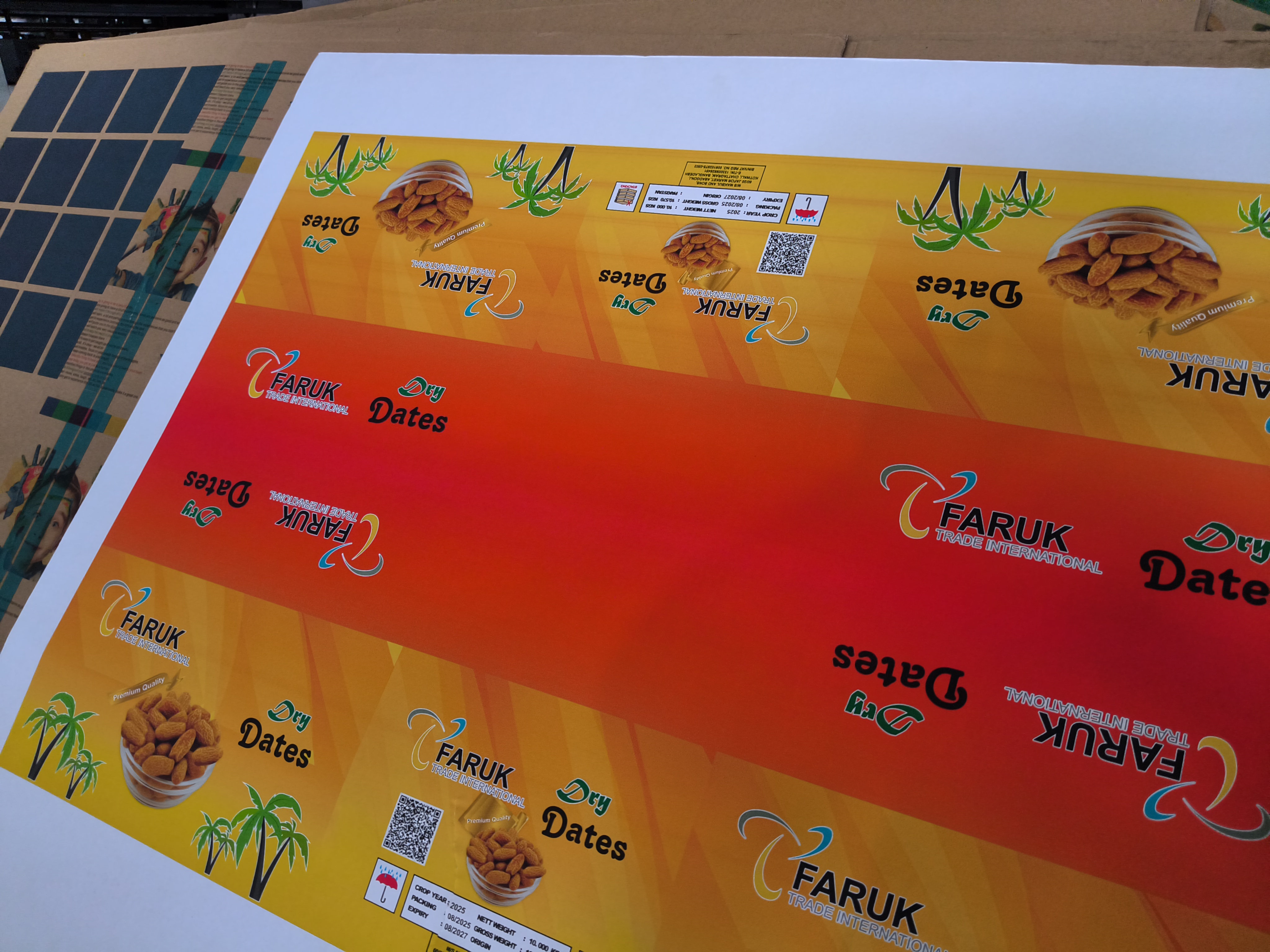
Printed samples prepared for output validation before a machine order.
Request a Quote, Samples or the Product Catalog
GOKING supplies the J-series scanning multi-pass, G-series direct output one-pass and GJ-series multifunctional digital printing machines for corrugated, honeycomb, kraft and coated board applications.
- Product catalog (PDF): 2026 product catalog
- Website: www.cmyk-goking.com
- Cherry Wang — Email: w1250606130@gmail.com | Tel: +86 18028205637 | WhatsApp: +86 18475532220
- Gloria Yang — Email: qianqian203521@gmail.com | Tel: +86 18028204526 | WhatsApp: +86 18028204526
- WhatsApp sales line: Start a WhatsApp conversation
- Address: No. 1, Fuxiang Street, Huangniupu, Huangjiang Town, Dongguan City, China
Tell us your board type, thickness and run lengths, and we will match a configuration to your production profile rather than to a generic specification sheet.
Have Questions or Need More Details?
Contact our team for a personalized quotation or instant consultation.
Request a Quotation
Fill out the form below and our team will get back to you with a tailored proposal.
WhatsApp Direct Chat
Prefer to chat in real-time? Message us on WhatsApp for instant assistance & quick answers.
- Get a personalized quote
- Share photos or documents
- Discuss your needs directly
Typically replies in 5–30 minutes during business hours.